
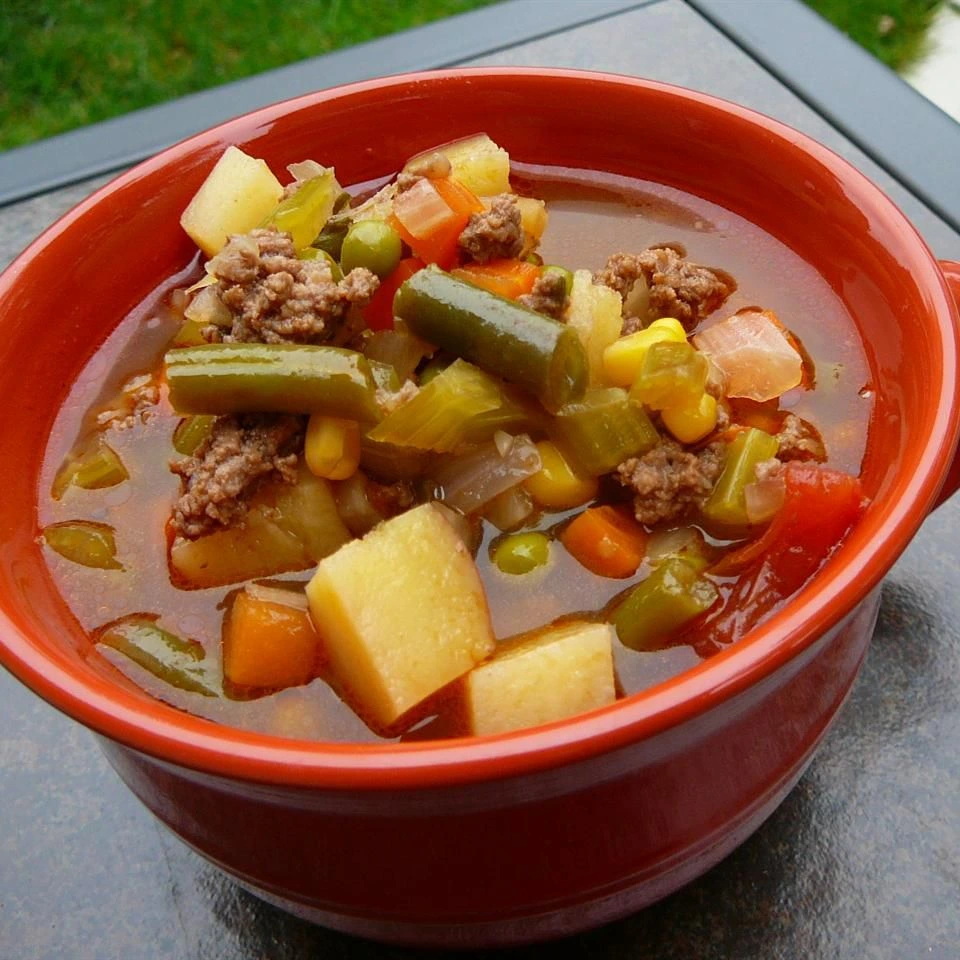
Best Slow Cooker Beef Vegetable Soup (7 Easy Steps for a Hearty Meal)
Introduction
You walk through the door after a long day. The kitchen smells rich and warm. A pot of slow cooker beef vegetable soup has been cooking for hours. The broth smells deep and savory. Tender beef and soft vegetables wait in every spoonful. Meals like this feel calm, simple, and homey.
This recipe focuses on two key things. First, very tender beef that slowly softens as it cooks. Second, a deep, full flavored broth that brings the whole soup together. Each step helps build strong flavor while keeping the process easy.
Slow cooking helps tenderize tougher cuts of beef and develop deeper flavors, a technique explained by the experts at Serious Eats.
Table of Contents
Why This Is the Ultimate Slow Cooker Recipe
The Low and Slow Advantage
A slow cooker works with steady heat over many hours. This slow cooking method helps break down the collagen inside tougher cuts of beef. As the collagen melts, the meat becomes soft and tender. The broth also grows deeper in flavor as the beef, vegetables, and seasonings cook together.
The result is beef that feels soft with every bite. The soup also develops a rich and savory broth that tastes like it simmered all day, because it did. The slow cooker does the work while you focus on your day.
Easy to Customize
Another reason this soup stands out is its flexibility. The base recipe is naturally dairy free, which makes it a good choice for many diets. You can also adjust the ingredients with ease.
For a gluten free version, simply check that the broth and seasoning contain no gluten. If you want a lower carb bowl, replace potatoes with vegetables like radishes or parsnips. You can also add extra vegetables such as corn, green beans, or lima beans for more texture and color.
This recipe gives you a strong base that you can adjust to match your taste and pantry.
Choosing the Right Cut of Beef
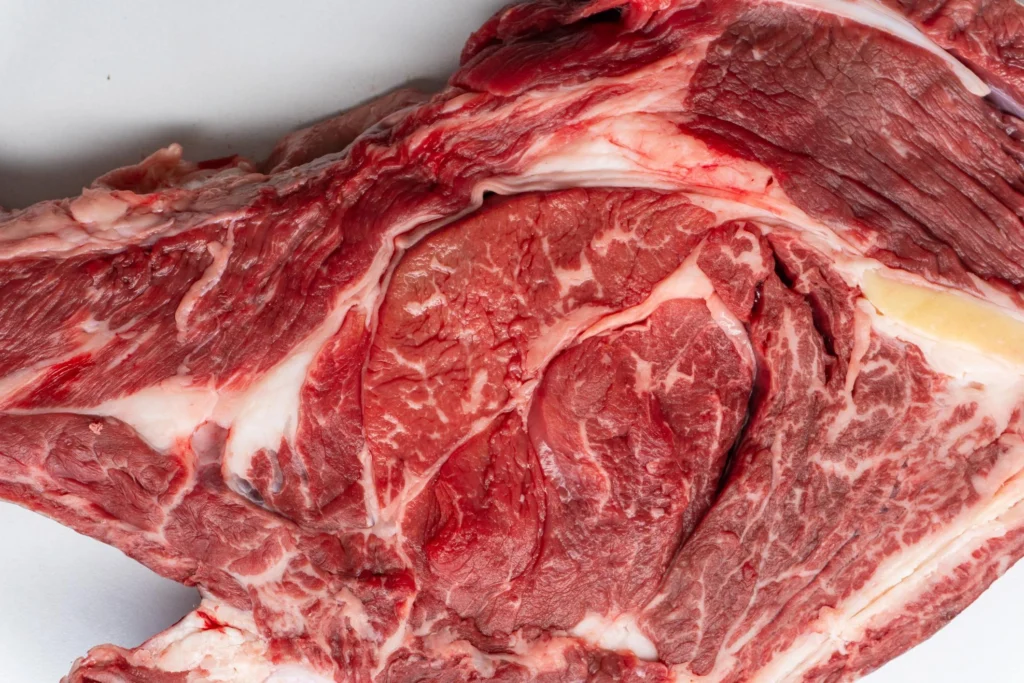
The type of beef you pick will shape the texture and flavor of your slow cooker beef vegetable soup. Many people grab packaged stew meat because it is quick. However, the best results usually come from cutting your own beef at home.
Chuck Roast vs. Stew Meat
Chuck roast is often the top choice for soup. It comes from the shoulder area of the cow. This cut contains small streaks of fat and connective tissue that soften during long cooking.
When chuck roast cooks slowly, the fibers relax and the meat turns very tender. Each bite becomes soft and full of flavor.
Pre cut stew meat is different. It often contains mixed pieces from several cuts. Some pieces may cook well, but others may stay firm. This can lead to uneven texture in the soup.
Buying a whole chuck roast and cutting it into cubes gives you better control. The pieces cook at the same pace, which leads to consistent tenderness.
Why Fat and Marbling Matter
A small amount of fat inside the meat helps the soup taste richer. As the beef cooks, the fat melts into the broth. This adds body and depth to the liquid.
Lean cuts may look appealing, but they can turn dry during long cooking. Chuck roast holds enough fat to keep the beef juicy while the broth becomes smooth and full flavored.
For the best bowl of slow cooker beef vegetable soup, look for chuck roast with visible marbling. Trim large pieces of fat, then cut the beef into even cubes before cooking.
The Science of Flavor: Why Browning Matters
When you brown beef in a hot pan before placing it in the slow cooker, an important food reaction takes place. This reaction is called the Maillard reaction.
The Maillard reaction happens when heat changes the proteins and natural sugars on the surface of the meat. As the beef cooks in the pan, the surface turns brown and forms a rich crust. This step creates deeper flavor compounds that give the soup a stronger and more savory taste.
If you skip this step, the beef will still cook in the slow cooker, but the broth may taste lighter. Browning the meat first builds a stronger flavor base that spreads through the entire soup during the long cooking time.
In simple terms, that golden brown color on the beef is not just for looks. It is a chemical reaction that helps create the rich taste many people expect from a good bowl of slow cooker beef vegetable soup.
Quick Substitutions
Sometimes you may want to adjust the recipe based on diet needs or what you have in your kitchen. This quick guide shows simple swaps that still keep the soup flavorful.
| Instead of | Use | Why |
| Potatoes | Radishes or Parsnips | Good option for lower carb meals |
| Beef Broth | Vegetable Broth plus a small splash of soy sauce | Helps adjust flavor and salt level |
| Stew Meat | Whole Chuck Roast | Gives more consistent tenderness during long cooking |
Equipment Needed
Before starting the recipe, gather a few basic kitchen tools. These tools make the cooking process easier and help you prepare the soup safely and efficiently.
• 6 quart slow cooker
Large enough to hold the beef, vegetables, and broth while they cook slowly.
• Large skillet
Used to brown the beef before placing it in the slow cooker. This step helps build stronger flavor.
• Sharp chef’s knife
Useful for cutting the beef, potatoes, and onion into even pieces so they cook evenly in the soup.
Ingredients Needed
A great bowl of slow cooker beef vegetable soup starts with simple ingredients that build a deep, savory broth. Each item plays a small part in flavor, texture, or body. Below is a clear guide to what you need before you begin.
For the Beef Base
• 1½ pounds beef stew meat, cut into bite sized cubes if needed
• 1 tablespoon vegetable oil, used for browning the meat
• 1½ teaspoons seasoned salt, plus extra black pepper to taste
The quick browning step adds depth to the broth and gives the beef a richer taste.
For the Vegetable Base
• 1 large onion, finely diced for a strong flavor base
• 4 cups red potatoes, chopped into small even pieces so they cook evenly
• 24 ounces frozen mixed vegetables, thawed before adding to the cooker
These vegetables create a hearty texture and bring color to the soup.
For the Broth and Flavor
• 1 can diced tomatoes, 15 ounces, with the juices included
• 1 can Great Northern beans, 15 ounces, drained and rinsed
• 32 ounces beef broth, low sodium works well for better salt control
• 1 teaspoon minced garlic, fresh or jarred both work
• 2 bay leaves, added during cooking for a deeper aroma
When these ingredients simmer together in the slow cooker, they form a rich and comforting soup with tender beef and soft vegetables in every spoonful.
How to Make Slow Cooker Beef Vegetable Soup
Follow these clear steps to build a rich and comforting soup with tender beef and vegetables in every spoonful. A 5 to 6 quart slow cooker works well for this recipe.
1. Season the Beef
Place the cubed beef in a bowl. Sprinkle the seasoned salt and a small amount of black pepper over the meat. Mix gently so each piece gets coated. This simple step helps the beef develop flavor before it enters the soup.
2. Brown the Meat
Heat the vegetable oil in a large skillet over medium heat. Once the oil is hot, add the beef in a single layer. Cook the pieces until they develop a deep brown crust on several sides.
This step adds rich flavor to the soup. The browned bits created in the pan bring extra depth to the broth.
3. Move the Beef to the Slow Cooker
Transfer the browned beef into your slow cooker. Try to include the flavorful bits from the skillet as well. They will melt into the soup during cooking and strengthen the taste of the broth.
4. Add the Vegetables and Beans
Place the diced potatoes, thawed mixed vegetables, diced onion, and drained Great Northern beans into the slow cooker. Spread them evenly around the beef.
These vegetables will slowly soften and release flavor into the soup as it cooks.
5. Add Tomatoes, Garlic, and Seasonings
Pour in the diced tomatoes along with their juices. Add the minced garlic and the bay leaves. These ingredients help form the aromatic base of the soup.
6. Pour in the Beef Broth
Slowly pour the beef broth into the slow cooker. The liquid should cover most of the ingredients. Give everything a gentle stir so the flavors start to combine.
7. Cook the Soup
Place the lid on the slow cooker.
Cook on Low for 8 to 10 hours for very tender beef and a deeper broth flavor.
You can also cook on High for 4 to 5 hours if you need the soup sooner.
During this time the beef softens and the vegetables absorb the savory broth.
8. Finish and Serve
Once the cooking time is complete, remove the bay leaves. Taste the soup and adjust with a little extra salt or pepper if needed.
Ladle the hot soup into bowls and serve while warm. Each bowl should contain tender beef, soft vegetables, and a rich broth that has slowly developed flavor throughout the day.
Slow Cooker Settings Comparison
Choosing the right heat setting can slightly change the final texture of your slow cooker beef vegetable soup. Both options work well, but they produce different results for the beef and broth.
| Setting | Cooking Time | Beef Texture | Broth Flavor | Best For |
| Low | 8 to 10 hours | Very tender and soft | Deep, rich flavor as ingredients cook slowly together | Best overall flavor and texture |
| High | 4 to 5 hours | Tender but slightly firmer | Good flavor but slightly lighter broth | Faster cooking when short on time |
Quick tip:
If you want the most tender beef and the richest broth, the Low setting is usually the best choice. The longer cooking time helps the meat soften fully while the vegetables and broth develop stronger flavor.
Pro Tips for Success
Follow the No Mush Rule
Some vegetables cook very fast and can lose their shape during long cooking. If you plan to add delicate vegetables such as frozen peas or fresh spinach, wait until the last 20 to 30 minutes of cooking.
Stir them into the soup near the end so they stay bright, fresh, and slightly firm. This keeps the soup colorful and gives it better texture.
How to Thicken the Broth
If you prefer a thicker soup, there are two easy ways to adjust the texture.
First method. Mix one tablespoon of cornstarch with two tablespoons of cold water in a small bowl. Stir this mixture into the hot soup during the final 20 minutes of cooking. The broth will gently thicken as it heats.
Second method. Scoop out a few cooked potato pieces from the soup. Mash them with a fork, then return them to the pot and stir well. The mashed potatoes will naturally thicken the broth while keeping the flavor balanced.
Season at the End
Long cooking changes the strength of seasoning. The broth may taste mild early in the process but deepen over time.
Before serving, taste the soup and add salt or pepper if needed. This final adjustment helps the flavors feel balanced and full in every bowl.
Common Mistakes to Avoid
Even a simple slow cooker beef vegetable soup can run into small problems if a few details are missed. Avoid these common mistakes to get the best flavor and texture.
Adding Too Much Liquid
Slow cookers trap moisture during cooking. This means very little liquid evaporates. If you add too much broth, the soup can turn watery. Start with the recommended amount of broth and only add more later if needed.
Cutting Potatoes Too Small
Potatoes cook for many hours in this recipe. If they are cut into very small cubes, they may break down and become mushy. Cut potatoes into medium chunks so they keep their shape and give the soup a hearty texture.
Skipping the Browning Step
Placing raw beef directly into the slow cooker may save time, but it reduces flavor. Browning the meat in a hot pan creates a rich crust on the surface. This step builds a deeper broth once the soup cooks for several hours.
Dietary Adjustments: Lower Sodium Option
Many people enjoy slow cooker beef vegetable soup as a healthy meal. If you want to make the soup better for people who watch their sodium intake, a few small changes can help.
Choose Low Sodium Broth
Regular beef broth can contain a high amount of salt. A simple step is to use low sodium beef broth instead. This gives you more control over the final seasoning. You can always add a small amount of salt later if needed.
Use Herbs for Flavor
Instead of relying on extra salt, use herbs and aromatics to boost flavor. Garlic, onion, bay leaves, thyme, and parsley add depth to the soup without raising sodium levels. Black pepper and a small pinch of smoked paprika can also bring warmth to the broth.
Taste Before Adding Salt
After the soup finishes cooking, taste the broth first. The long cooking time often strengthens the natural flavors of the beef and vegetables. You may find that the soup needs very little added salt.
These small changes help keep the soup hearty and flavorful while making it a better option for people who monitor sodium in their meals, such as those managing high blood pressure.
Perfect Pairings: What to Serve with Beef Soup

A warm bowl of slow cooker beef vegetable soup already feels satisfying. Still, the right side dish can turn the meal into something even more comforting. Here are a few simple ideas that pair well with the rich broth and tender beef.
The Classic Bread Pairing
Bread and soup belong together. A thick slice of crusty sourdough works well because it holds up when dipped into the broth. Soft dinner rolls are another great choice. Fresh rolls soak up the savory soup and add a light, fluffy bite to the meal.
A Fresh and Healthy Side
If you want balance, add a crisp salad next to the soup. A Caesar salad with crunchy lettuce and a light dressing adds freshness to the plate. Roasted Brussels sprouts also work well. Their slightly nutty flavor pairs nicely with the deep taste of the beef broth.
The Comfort Food Duo
For a cozy dinner, serve the soup with a grilled cheese sandwich. The melted cheese and toasted bread make each bite extra satisfying. Another great option is garlic herb focaccia. Its soft texture and garlic flavor match the soup perfectly.
With the right side dish, this soup easily becomes a full and comforting meal that everyone at the table will enjoy.
Storage, Freezing, and Meal Prep
This slow cooker beef vegetable soup stores very well, which makes it a great option for meal prep. The flavors continue to blend as the soup rests, so many people feel it tastes even better the next day.
Storing in the Fridge
Allow the soup to cool before placing it in airtight containers. Store it in the refrigerator for up to 4 to 5 days. When reheating, warm it slowly on the stove or in the microwave. Stir the soup once or twice so the heat spreads evenly.
Freezing for Later
This soup also freezes well if you want to save part of the batch. Pour the cooled soup into freezer safe containers or freezer bags. Leave a little space at the top because the liquid expands when frozen.
The soup can stay in the freezer for up to 3 months. When ready to eat, thaw it in the fridge overnight and warm it gently on the stove.
The Soup Paste Pro Tip
If you plan to freeze the soup, there is a simple trick many experienced cooks use. Freeze the beef and broth base together, but wait to add fresh potatoes when you reheat the soup.
Potatoes can change texture after freezing and may become slightly grainy. By adding freshly chopped potatoes during reheating, the soup keeps a better texture while the broth and beef still carry all the deep flavor developed during cooking.
Best Potatoes for Freezing and Slow Cooking
Not all potatoes behave the same during long cooking or freezing. Some types can turn grainy after being frozen and reheated.
For the best texture, use red potatoes or Yukon Gold potatoes. These varieties hold their shape well and stay smoother after slow cooking. They also handle freezing better than Russet potatoes, which tend to break down more easily.
If you plan to freeze your soup, choosing red or Yukon Gold potatoes can help keep the texture pleasant when the soup is reheated later.
Meal Prep Tip
You can also prepare soup starter packs. Combine the raw beef, chopped vegetables, and seasonings in a freezer bag. When you want to cook the soup, place the frozen mixture in the slow cooker and add the broth and canned ingredients.
One small note about freezing. Potatoes may soften slightly after thawing. The flavor remains great, but the texture can become a bit softer than when freshly cooked.
Prep Ahead Tip
If mornings are busy, you can prepare part of the recipe the night before. Wash and chop the onion and potatoes, then place them in an airtight container in the fridge. You can also measure the broth and seasonings in advance.
In the morning, simply add the prepared ingredients to the slow cooker with the beef and start cooking. This small step saves time and makes the recipe even easier on busy days.
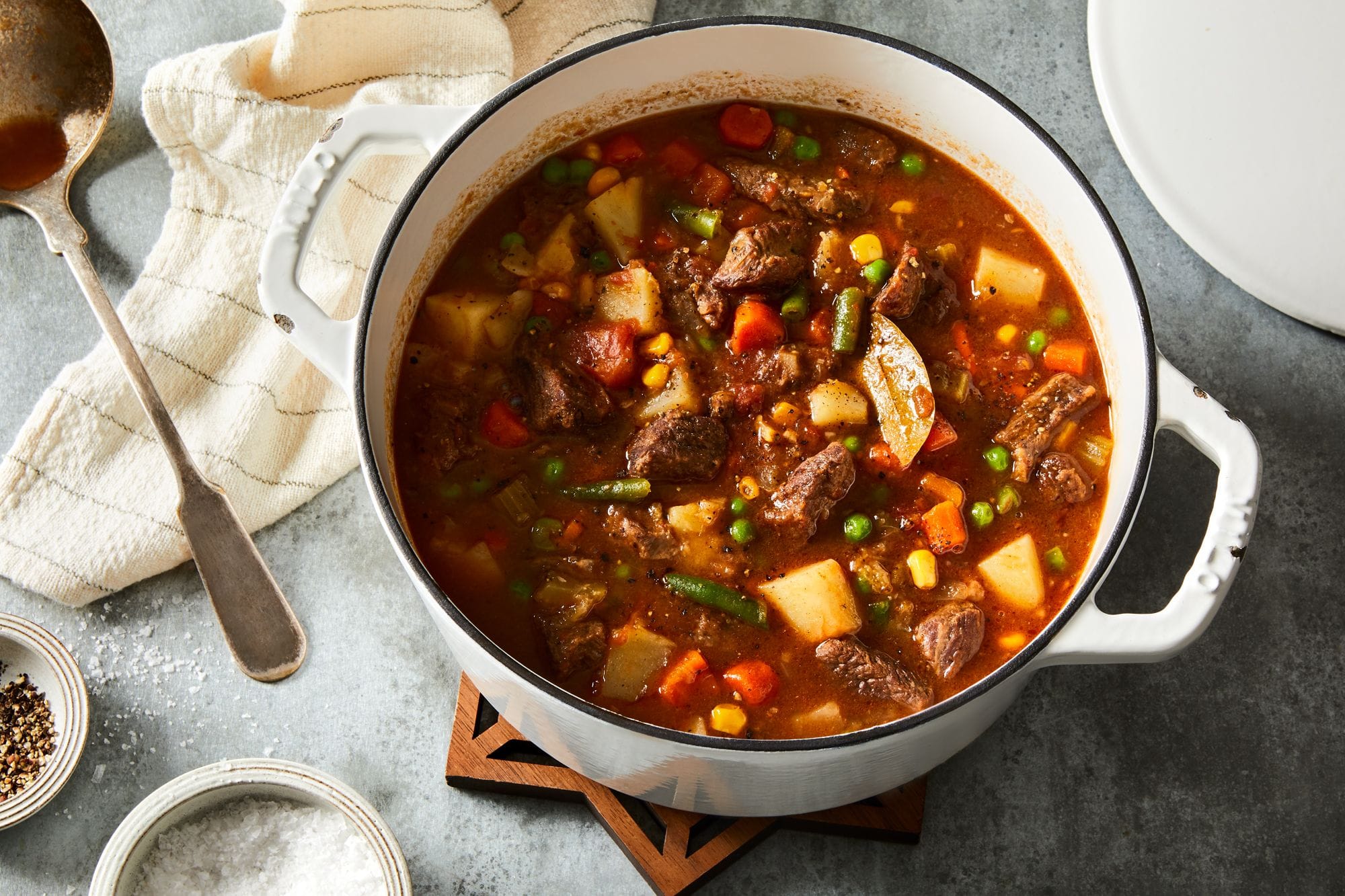
slow cooker beef vegetable soup
Ingredients
Method
- Place the cubed beef in a bowl. Sprinkle seasoned salt and black pepper over the meat and gently mix so each piece is evenly coated.
- Heat vegetable oil in a large skillet over medium heat. Add the beef in a single layer and brown on several sides until a deep crust forms.
- Transfer the browned beef to the slow cooker, including the flavorful browned bits from the skillet.
- Add the diced potatoes, thawed mixed vegetables, diced onion, and drained Great Northern beans to the slow cooker.
- Pour in the diced tomatoes with their juices. Add minced garlic and bay leaves.
- Slowly pour the beef broth into the slow cooker. Stir gently to combine all ingredients.
- Cover and cook on Low for 8 to 10 hours for very tender beef, or cook on High for 4 to 5 hours.
- Remove the bay leaves before serving. Taste and adjust seasoning with salt or pepper if needed. Serve hot.
Notes
Conclusion
This slow cooker beef vegetable soup brings comfort, rich flavor, and simple cooking together in one pot. The slow cooking time helps the beef turn tender while the vegetables and broth blend into a deep, savory soup. With basic ingredients and clear steps, you can prepare a meal that feels warm and satisfying after a long day.
Another great benefit is flexibility. You can adjust the vegetables, prepare it ahead for busy days, or freeze extra portions for later meals. It is a practical recipe that works well for family dinners or weekly meal planning.
If you tried this recipe, share your experience in the comments and leave a star rating. Your feedback helps others decide to try it too. Feel free to share your bowl on Pinterest or Facebook and tell us how you served it.
Did you add extra vegetables or try a different cut of beef? Let us know your favorite version in the comments below.
If you enjoy hearty slow cooker meals, you should also try our beef chuck roast recipe slow cooker for tender, flavorful beef.
Frequently Asked Questions
What is the best slow cooker beef vegetable soup?
The best slow cooker beef vegetable soup uses a well balanced mix of tender beef, hearty vegetables, and a rich broth. Many cooks prefer chuck roast because it softens during long cooking and adds flavor to the soup. Browning the beef before placing it in the slow cooker also helps build a deeper broth.
Can I make crockpot vegetable beef soup with stew meat?
Yes, stew meat works well in crockpot vegetable beef soup. It is already cut into small cubes, which saves preparation time. For the best texture, try to brown the meat in a skillet before adding it to the slow cooker. This step adds more flavor to the final soup.
How do I make slow cooker vegetable beef soup with frozen vegetables?
Frozen vegetables make this recipe quick and simple. Allow the vegetables to thaw before adding them to the slow cooker. Once thawed, place them in the cooker with the beef, potatoes, broth, and seasonings. They will cook slowly and absorb the savory broth during the cooking time.
What is the secret to an easy slow cooker beef vegetable soup?
The secret is building flavor early and letting the slow cooker do the work. Browning the beef first creates a richer base for the soup. Using a mix of vegetables, beans, and tomatoes also helps create a hearty texture without much effort.
How do you make old fashioned vegetable beef soup recipe in a crockpot?
An old fashioned version uses simple pantry ingredients. Beef, potatoes, onion, tomatoes, beans, and mixed vegetables cook slowly in beef broth. Over several hours the meat becomes tender and the vegetables soften, creating a comforting soup that feels like a traditional home cooked meal.
Can you make crockpot vegetable beef soup with canned vegetables?
Yes, canned vegetables can be used if fresh or frozen options are not available. Drain the canned vegetables before adding them to the slow cooker. Since canned vegetables are already soft, add them during the final hour of cooking so they keep their shape and texture.