
Best Salmon Seasonings: 5 Top Picks to Try Now
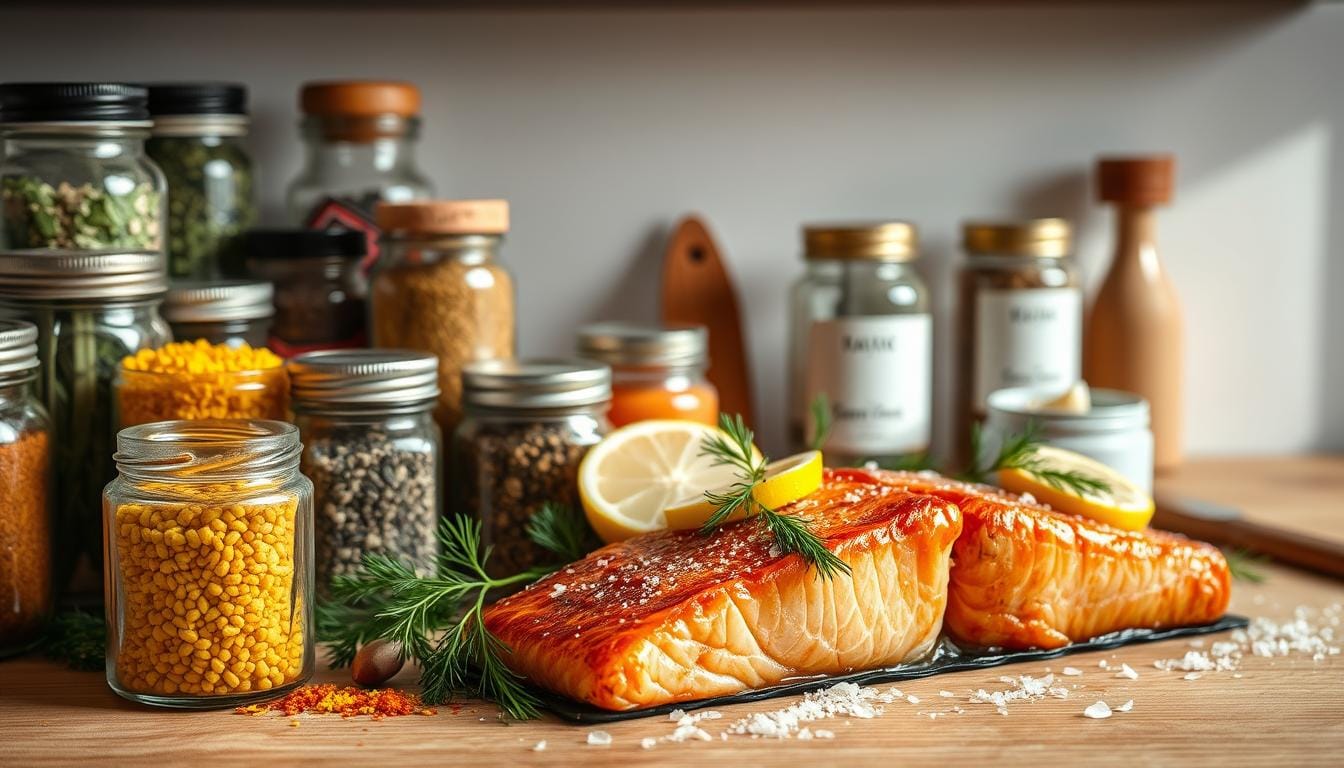
Every home cook knows the joy of turning a simple meal into something special. With its rich, natural flavor, salmon becomes a true masterpiece when paired with the best seasoning for salmon. In your kitchen, the right blend of spices can bring flavors to life, transforming an everyday fish dish into a gourmet experience.
Imagine serving a salmon fillet that makes everyone’s taste buds happy. The best seasoning for salmon does more than add flavor. It creates a memorable moment that shows off your cooking skills and impresses everyone.
This guide will show you how to choose the best seasoning for salmon to elevate your seafood dishes. Whether you’re just starting out in the kitchen or already an experienced cook, you’ll learn how to bring out the rich flavor of salmon. With the right tips, every meal can become a celebration of taste and freshness.
Get ready to create restaurant-quality salmon right in your own kitchen using the best seasoning for salmon. Your culinary journey starts here, where you’ll learn how to transform ordinary salmon into an unforgettable dining experience.
If you want to try a complete meal using seasoned salmon, this creamy salmon pasta is one of the best options.
Table of Contents
Understanding the Importance of Salmon Seasoning
The best seasoning for salmon can transform a simple dish into something extraordinary. By choosing the right spices and herbs, you’ll enhance the fish’s natural flavors and create a meal to remember.
Professional chefs know that salmon needs careful seasoning. The right mix can highlight the fish’s delicate taste without overpowering it.
Why Quality Seasoning Makes a Difference
Choosing top-notch seasonings for salmon is essential for great results. Easy salmon seasoning recipes can help you:
- Enhance the fish’s natural flavors
- Add depth and complexity
- Improve the texture
- Boost overall meal satisfaction
The Science Behind Flavor Enhancement
Seasoning is more than just taste—it’s a science. Spices interact with salmon’s proteins and oils, creating complex flavors.
| Seasoning Type | Flavor Impact | Best Used With |
|---|---|---|
| Herbs | Fresh, bright notes | Grilled or baked salmon |
| Spices | Warm, complex undertones | Pan-seared salmon |
| Citrus-based | Light, zesty character | Poached or raw preparations |
Benefits of Properly Seasoned Salmon
Mastering the best seasoning for salmon comes with many benefits. Properly seasoned salmon tastes better, helps enhance its natural nutritional value, and makes every meal more enjoyable and satisfying.
Essential Ingredients for the Best Seasoning for Salmon
Creating the best seasoning for salmon is all about combining the right ingredients to enhance the fish’s natural flavors. The goal is to complement salmon’s rich yet delicate taste without overpowering it.
Popular salmon spice combinations include:
- Kosher salt – The base of any great seasoning
- Black pepper – Adds a subtle heat
- Garlic powder – Gives a savory flavor
- Smoked paprika – Adds a smoky taste
- Brown sugar – Adds a touch of sweetness
- Dried herbs like basil and thyme – Bring freshness
“The secret to an exceptional salmon seasoning is balancing sweet, savory, and aromatic elements.” – Culinary Experts
You can make your seasoning blend your own. Start with these basics and try different spices. Add cayenne for heat or dried lemon zest for brightness.
Professional chefs say to make a big batch of your seasoning. Store it in an airtight container. This way, you’ll always have the best seasoning for salmon.
Sweet and Smoky Flavor Combinations
Turning your salmon into something truly special starts with the best seasoning for salmon. A balance of sweet and smoky flavors can elevate your dish, giving it a restaurant-quality finish right at home.
Seasoning blends with sweet and smoky notes are especially irresistible, appealing to a wide range of tastes. Learning how to balance these flavors is key to creating the best seasoning for salmon and turning each dish into a true masterpiece.
Brown Sugar and Smoked Paprika Blend
The mix of brown sugar and smoked paprika is a game-changer for salmon seasoning. This pair offers:
- Deep caramelization potential
- Balanced sweet and smoky notes
- Enhanced natural salmon flavors
Creating Caramelized Effects
Improving your salmon dish starts with the right herbs, which are essential to creating the best seasoning for salmon. They transform a simple meal into a true feast by adding depth, freshness, and complexity to every bite of seafood.
Balancing Sweet and Savory Notes
Finding the right seasoning balance is key. Too much sugar can hide the salmon’s taste. Not enough smoke can make the dish dull.
| Ingredient | Flavor Impact | Recommended Quantity |
|---|---|---|
| Brown Sugar | Sweet, Caramelizing | 1-2 tablespoons per pound |
| Smoked Paprika | Smoky, Depth | 1-2 teaspoons per pound |
| Salt | Enhancer | 1/2 teaspoon per pound |
Try different amounts to find your ideal seasoning. This will make your seafood shine.
Herbal Elements in Salmon Seasonings
Enhancing your salmon dish begins with the right herbs, a key element in creating the best seasoning for salmon. They turn a simple meal into a flavorful feast by adding depth, freshness, and complexity to your seafood.
When making your own salmon seasoning mix, think about these key herbs:
- Dill: A classic choice for salmon, it adds a light and tangy taste
- Thyme: It brings an earthy, slightly minty flavor
- Rosemary: Offers a strong, pine-like taste
- Basil: Adds a sweet and peppery note
Fresh herbs can really boost your homemade salmon seasoning mix. While dried herbs are handy, fresh ones give more vibrant flavors. Tip: Crush dried herbs to release their oils and get the most flavor.
The right herb mix can make your salmon go from simple to spectacular!
Try out different herb mixes to find your favorite salmon seasoning. Your taste buds will love the journey!
Citrus and Zesty Components
Add a splash of citrus to your salmon recipes for a burst of flavor. Zesty elements can turn a simple dish into a masterpiece. They add depth and complexity to your seasoning blends.
Citrus adds a bright, refreshing touch to salmon, perfectly balancing its rich flavor. Knowing how to combine these zesty elements is an important part of creating the best seasoning for salmon without overpowering the fish.
Fresh Lemon Zest vs. Dried Options
Fresh lemon zest is the best choice for citrus in salmon seasonings. It offers several benefits:
- More intense, vibrant flavor
- Higher essential oil content
- Brighter aromatic profile
- Better texture for seasoning blends
Incorporating Citrus Flavors
Here are some ways to make the most of your citrus seasonings:
- Grate lemon zest just before using for the best flavor
- Mix citrus zest with complementary herbs like dill or parsley
- Use a microplane for fine, even zesting
- Combine with sea salt for a richer taste
Storage Tips for Citrus-Based Seasonings
Keep your citrus seasonings fresh with these storage tips:
- Store in airtight containers
- Keep away from direct sunlight
- Use within 2-3 weeks for optimal freshness
- Refrigerate fresh zest to extend shelf life
Mastering citrus components will make your salmon dishes unforgettable. They will be full of bright, zesty flavors every time.
For a richer flavor experience, try this bourbon glazed salmon, which combines sweetness with a deep smoky glaze.
Proper Application Techniques

Learning how to season salmon can turn a simple meal into a true work of art. When choosing the best seasoning for salmon, proper preparation is essential, as it helps bring out the fish’s best flavor and achieve the perfect texture.
Before you add your favorite seasonings to grilled salmon, do these important steps:
- Remove any pin bones using tweezers
- Pat salmon dry with paper towels to ensure seasoning adheres
- Lightly drizzle with olive oil to help seasonings stick
- Apply seasoning evenly across the entire fish surface
Different cooking methods need different seasoning ways. For grilling, use a dry rub that can handle high heat. Wet marinades are great for baking, as they add deep flavors to the fish.
Pro tip: Gently rub your seasoning blend into the salmon. This makes sure every bite is full of flavor.
The secret to perfect salmon is not just the seasoning, but how you apply it.
Remember, a little seasoning goes a long way. Start with a small amount and add more if you like. You want to add to the salmon’s flavor, not hide it.
Storage and Shelf Life of Salmon Seasonings
Keeping your homemade salmon seasoning mix fresh is key. It ensures the flavor stays rich and potent. The right storage can greatly extend how long your seasonings stay good.
Optimal Storage Conditions
To keep your salmon seasonings fresh, follow these storage tips:
- Choose an airtight container to protect against moisture
- Store in a cool, dry place away from direct sunlight
- Keep away from heat sources like stoves or ovens
- Avoid storing near spice racks with high humidity
Extending Seasoning Longevity
Here are tips to make your salmon seasoning last longer:
- Use glass or ceramic containers with tight-fitting lids
- Keep moisture-rich ingredients separate until cooking
- Label containers with the date of preparation
- Consider vacuum-sealing for extended preservation
Signs of Seasoning Degradation
Look out for these signs that your seasonings might be going bad:
- Loss of vibrant color
- Diminished aroma
- Clumping or moisture buildup
- Unusual smell or taste
Dry seasoning mixes can stay fresh for up to three months when stored properly. For the best seasoning for salmon, it’s recommended to make small batches and refresh your blend regularly to maintain peak flavor.
Cooking Methods with Different Seasonings
Choosing the best seasoning for salmon depends on how you cook it. Each method brings out special flavors. It also needs specific seasonings to enhance taste and texture.
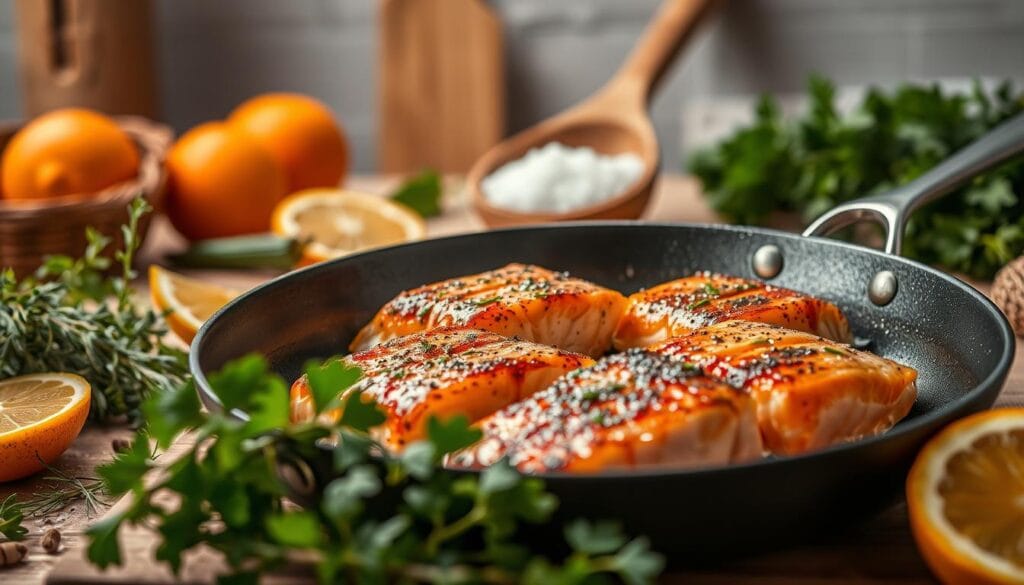
For grilled salmon, pick spice blends that can handle high heat. Dry rubs are great for grilling. They create a tasty crust and keep moisture in.
- Stovetop cooking: Use lighter, more delicate seasonings
- Oven roasting: Opt for herb-based and robust spice mixtures
- Grilling: Select heat-stable and bold seasoning combinations
Different cooking methods change how seasonings work with salmon. Grilling adds smoky flavors. Baking lets herb notes shine through.
| Cooking Method | Best Seasoning Approach | Flavor Profile |
|---|---|---|
| Grilling | Dry rubs with paprika, cayenne | Smoky, intense |
| Baking | Herb blends with dill, thyme | Subtle, aromatic |
| Pan-searing | Light citrus and garlic seasoning | Bright, crisp |
Pro tip: Always apply seasonings just before cooking to prevent moisture extraction and maintain salmon’s delicate texture.
“The right seasoning can transform a simple salmon dish into a culinary masterpiece.” – Culinary Institute of America
Choosing Between Store-Bought and Homemade Seasoning Blends
Choosing between store-bought and homemade salmon seasoning can be tough. Each has its own benefits that can make your salmon dishes taste amazing.
When looking at easy salmon seasoning recipes, there are key things to think about:
- Cost-effectiveness of making your own blend
- Control over the quality of ingredients
- Ability to customize flavors
- Freshness of the ingredients
Cost Comparison Analysis
Making your own blend is a smart way to create the best seasoning for salmon while saving money. Store-bought mixes usually cost between $4 and $7, but a homemade salmon seasoning can cost as little as $2 to $3 per batch, with better freshness and flavor control.
Quality and Freshness Factors
Making your own seasoning allows you to choose premium spices and control freshness. This approach helps create the best seasoning for salmon, often delivering better flavor than store-bought blends.
Customization Benefits
Your kitchen becomes a place for experimenting. You can make seasoning blends that fit your taste, dietary needs, and preferences.
“The best seasoning is the one you create with your own hands and imagination.”
Whether you go for store-bought ease or homemade creativity, the aim is the same. It’s to make your salmon truly special.
If you enjoy combining salmon with carbs, you’ll love these salmon and pasta recipes that use perfectly seasoned fish.
Conclusion
Starting to make your salmon dishes better begins with learning about seasoning. This guide has shown you how different flavors can change a simple fish into a special meal. You’ve seen how sweet, smoky, herbal, and citrus flavors can make your salmon stand out.
Now, it’s time to try new things in your kitchen. Every seasoning method we talked about can help you get better at cooking. You can use store-bought mixes or make your own. The important thing is to know how different tastes work together with salmon’s unique flavor.
Seasoning is not just about adding flavor. It’s about making a memorable experience. With what you’ve learned, you can make salmon dishes that are not only healthy but also delicious. Your kitchen is now a place where you can be creative and try new things with salmon seasoning.
Start exploring to find your favorite salmon seasoning mix. Every dish is a chance to get better and enjoy new flavors. This way, every bite will be special and unforgettable.
FAQ
What are the best seasonings for salmon?
How long can I store homemade salmon seasoning?
Can I use fresh herbs instead of dried herbs in my salmon seasoning?
What’s the best method for applying seasoning to salmon?
How can I create a custom salmon seasoning blend?
Are there any low-sodium options for salmon seasoning?
What’s the difference between a dry rub and a marinade for salmon?
Can I use the same seasoning for different cooking methods?
Have You Tried Our Recipe Today?
i like it
i like it very weel