
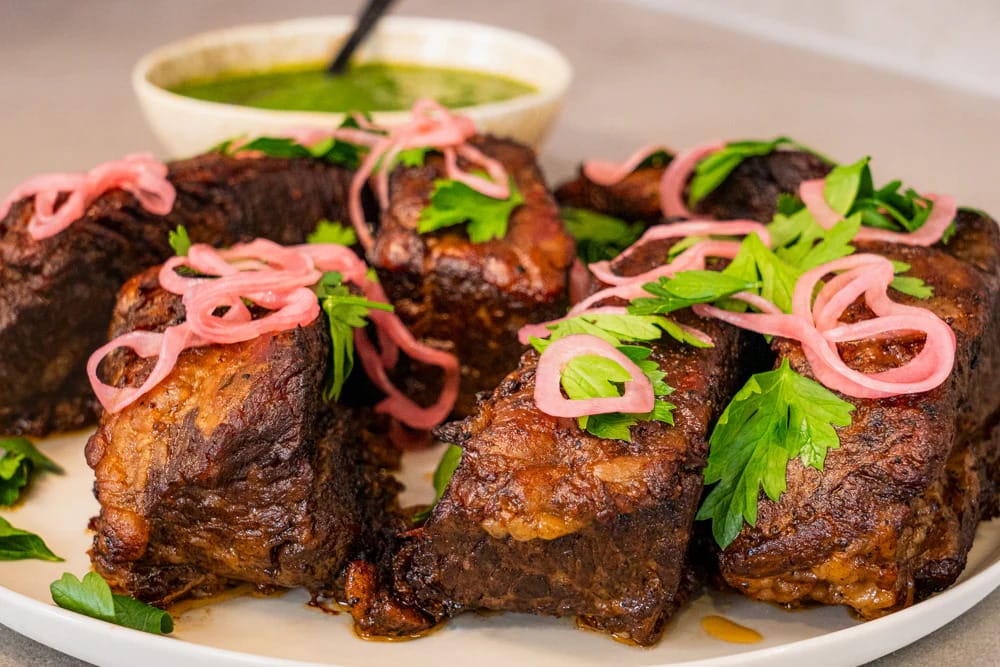
Bone-In Beef Short Ribs Slow Cooker 3 Secrets to Perfect Ribs
Introduction
Bone-in beef short ribs slow cooker recipes bring deep, rich flavor with very little effort. I have made this dish many times, and each time the result is the same. The meat turns soft, juicy, and full of savory taste. The slow cooking process breaks down the tough fibers and creates a silky texture that feels like comfort food at its best.
Bone-in ribs work better than boneless cuts because the bones release collagen during cooking. This adds body and depth to the sauce while keeping the meat tender. This recipe also includes a secret sauce finishing step that takes the final flavor to a whole new level.
This step builds strong flavor in the pan. Learn more about why browning matters from the USDA cooking guidelines.
Table of Contents
Why You’ll Love This Recipe
- Simple steps with big flavor. You only need basic prep, and the slow cooker does the rest.
- Deep, rich taste. The slow cooking process builds a bold and savory sauce that coats every bite.
- Perfect for busy days. Set it in the morning and come back to tender, ready-to-serve ribs.
- Great for guests or family dinners. This dish feels special without extra work.
- Fall-apart texture. The meat becomes soft enough to pull away from the bone with ease.
This recipe stands out because it focuses on flavor at every step. Searing builds a strong base, and the final sauce finish brings everything together. The result feels comforting, filling, and satisfying. It is the kind of meal that makes people pause after the first bite and ask for seconds.
Ingredients Needed
For the Ribs
- 3 lbs (about 1.5 kg) bone-in beef short ribs, trimmed of excess surface fat
- 1 tablespoon olive oil for searing
Choose English-style cut short ribs with good marbling, as the fat within the meat melts during cooking and creates a more tender and flavorful result.
For the Aromatic Base
- 1 large onion, thinly sliced for a sweet and soft base
- 4 garlic cloves, finely minced for strong flavor
For the Braising Liquid
- 2 cups beef broth, preferably low sodium for better control of salt
- 1 cup beef broth plus 1 tablespoon balsamic vinegar, adds depth and a slight tang similar to red wine
- 2 tablespoons soy sauce for a savory boost
- 2 tablespoons tomato paste to add body and slight sweetness
- 1 tablespoon Worcestershire sauce for a deep, umami taste
For Seasoning
- 1 teaspoon dried thyme for an earthy note
- 1 teaspoon paprika for warmth and color
- 1 bay leaf for subtle aroma during slow cooking
- Salt and black pepper, adjusted to your taste
Each ingredient plays a clear role. The ribs bring richness, the aromatics build the base, and the liquid turns into a smooth, flavorful sauce as it cooks.
Essential Kitchen Tools
- Slow cooker (Crockpot). This is the main tool that cooks the ribs slowly and evenly. A 6 to 7 quart size works best for this recipe.
- Heavy skillet, preferably cast iron. This helps you sear the ribs well and build a rich brown crust that adds flavor to the final dish.
- Fat separator. This makes it easy to remove excess fat from the sauce before serving, giving you a cleaner and smoother finish.
These tools keep the process simple and help you get better results with less effort.
How to Make Bone-In Beef Short Ribs in a Slow Cooker
- Sear the ribs for a rich base
Pat the short ribs dry using paper towels, then season them well with salt and black pepper. Heat olive oil in a heavy skillet over medium-high heat. Place the ribs in the pan and cook each side until a deep brown crust forms. This step builds strong flavor in the pan.Once done, add a splash of beef broth to start deglazing the pan. Use a wooden spoon to scrape up the browned bits stuck to the bottom. These bits add rich flavor to the sauce - Build the flavor base in the slow cooker
Add the sliced onion and minced garlic to the bottom of your slow cooker. This layer acts as a natural rack and slowly softens as it cooks, forming the base of the sauce. - Place the ribs on top
Set the seared ribs directly over the onion and garlic. Keep them snug but not tightly packed so heat can move around them evenly. - Mix the braising liquid
In a bowl, mix the beef broth, soy sauce, tomato paste, and Worcestershire sauce. Stir well until the tomato paste fully dissolves into the liquid. This mixture will slowly cook into a rich, umami-rich sauce. - Pour and season
Pour the liquid mixture over the ribs, making sure most of the meat is covered. Sprinkle in the dried thyme and paprika, then add the bay leaf. Taste the liquid if needed and adjust salt and pepper. - Cook low and slow
Cover the slow cooker with the lid.
Cook on LOW for 7 to 8 hours for the best texture.
Or cook on HIGH for 4 to 5 hours if you are short on time.
The ribs are ready when the meat becomes very tender and starts to pull away from the bone. - Finish and serve
Remove the bay leaf and gently place the ribs on a serving dish. Spoon the hot, umami-rich sauce over the top. For a smoother finish, skim off any excess fat. The sauce should be rich and slightly thick, coating each piece beautifully.
Pro Tip
Pre-Heat the Cooking Liquid for Better Results
Before adding the liquid to your slow cooker, heat the beef broth, soy sauce, tomato paste, and Worcestershire sauce in a saucepan until it starts to gently simmer. Then pour it over the ribs
This small step helps jump-start the cooking process and builds deeper flavor early on. It can also reduce total cook time slightly while still giving you tender, rich short ribs.
Three Ways to Finish the Sauce
After slow cooking, the liquid in the pot is full of flavor but often needs a final step to improve texture. These three methods give you control over how rich or thick you want the sauce.
Method A: The Deep Flavor Reduction
Pour the cooking liquid into a saucepan after removing the ribs. Heat over medium heat and let it simmer gently. Stir from time to time and watch as the liquid reduces. The sauce is ready when it thickens and lightly coats the back of a spoon. This method gives you a bold and intense flavor.
Method B: The Savory Gravy
Melt 1 to 2 tablespoons of butter in a pan over medium heat. Add the same amount of flour and stir until it forms a smooth paste. Cook for one to two minutes to remove the raw flour taste. Slowly whisk in the cooking liquid until smooth. Let it cook until it thickens into a rich gravy. This method creates a classic and comforting texture.
Method C: The Quick Slurry
In a small bowl, mix 1 tablespoon of cornstarch with 2 tablespoons of cold water. Stir until smooth. Pour this mixture into the hot cooking liquid and stir well. Let it simmer for a few minutes until it thickens. This option is quick and works well if you want a gluten free sauce.
Each method gives a different result, so you can pick the one that fits your taste and time.
Critical Success Tips
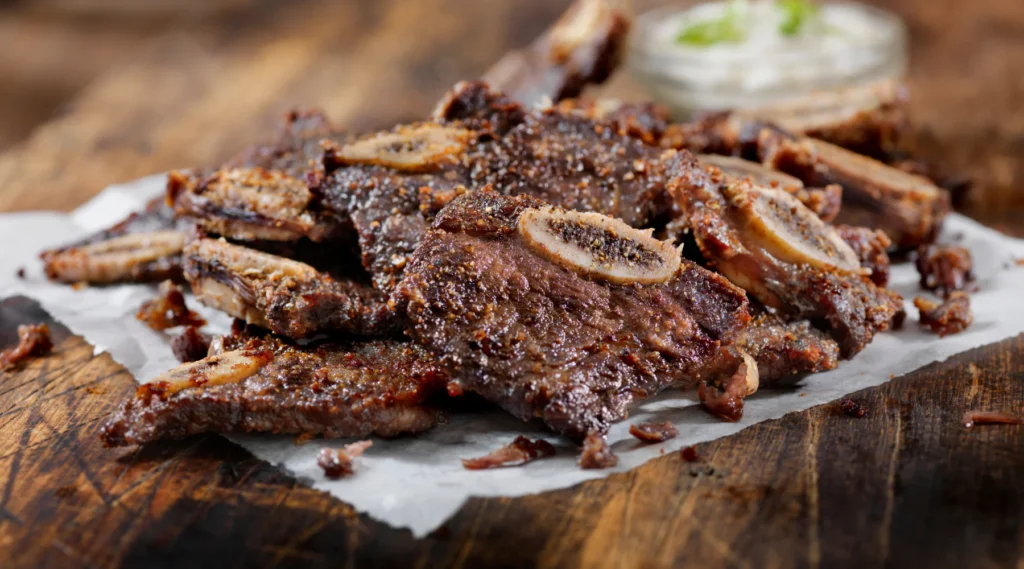
Choosing the right heat setting makes a big difference in the final result:
Comparison Table: Low vs High Heat
| Setting | Time | Texture | Flavor Depth |
| Low Heat | 7 to 8 hours | Melt-in-mouth | Excellent |
| High Heat | 4 to 5 hours | Tender | Good |
Trim Fat the Smart Way
Short ribs often come with a thick layer of fat on the outside. Trim off the large, hard pieces before cooking, but do not remove all the fat. A small amount melts during cooking and adds flavor to the sauce. Too much fat, though, can make the final dish feel heavy.
Low vs High Heat Settings
Cooking on LOW gives the best result. The slow heat breaks down the connective tissue gently, which makes the meat soft and juicy. HIGH heat works if you are short on time, but the texture may be slightly less tender. If you want that fall-apart finish, LOW is the better choice.
The Bone Test for Doneness
You can tell the ribs are ready when the meat pulls back from the bone and feels very soft when touched with a fork. Another clear sign is when the bone slides out with little effort. If the meat still feels firm, let it cook longer. Patience here makes a big difference in the final texture.
What to Serve with Short Ribs
Creamy Mashed Potatoes or Polenta
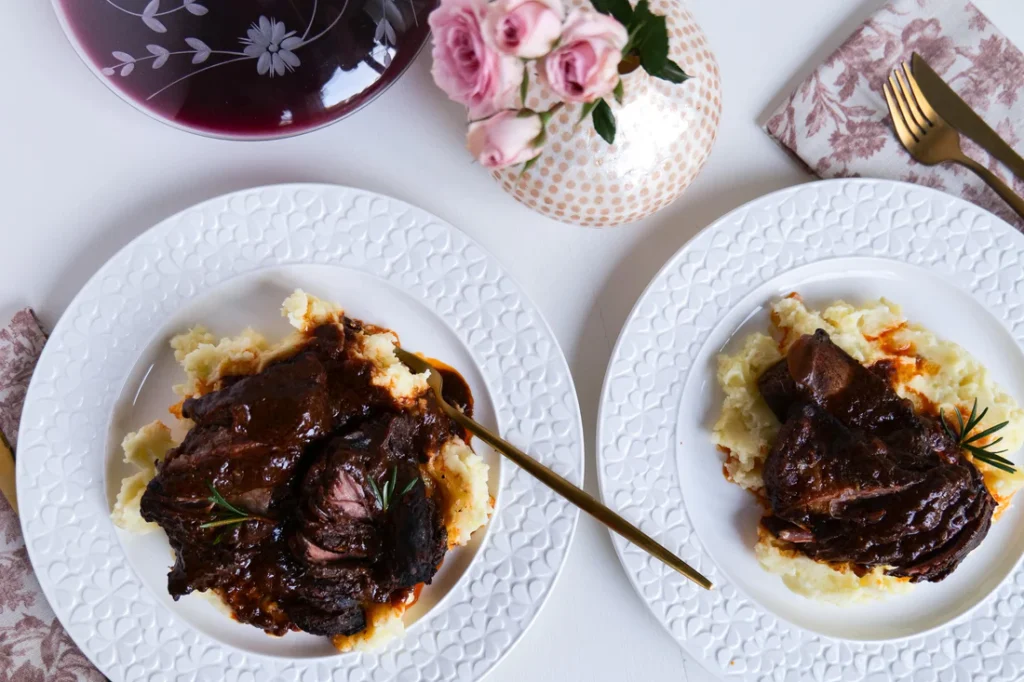
Soft and creamy sides work best with rich short ribs. Mashed potatoes soak up the sauce and balance the deep flavor of the meat. Polenta is another great option. It has a smooth texture and a mild taste that pairs well with the bold sauce.
Garlic Butter Broccolini
A fresh green side helps cut through the richness of the dish. Lightly sauté broccolini with garlic and a bit of butter until tender but still bright. The slight crunch and fresh taste bring balance to every bite.
Horseradish Gremolata
For a sharper finish, try a simple gremolata made with fresh herbs, lemon zest, and a small amount of horseradish. This adds a fresh and slightly spicy note that lifts the whole dish and keeps it from feeling too heavy.
Pairing your short ribs with the right sides turns the meal into a full and satisfying experience.
Storage and the Microwave Dome Reheating Method
How to Store Short Ribs
Let the ribs cool to room temperature before storing. Place them in an airtight container with some of the sauce to keep the meat moist. Store in the fridge for up to 4 days.
For longer storage, freeze the ribs with the sauce in a sealed container or freezer bag. Keeping the meat covered in liquid helps prevent freezer burn and keeps the texture soft when reheated. Frozen ribs can last up to 3 months. Thaw in the fridge overnight before reheating.
The Microwave Dome Reheating Method
This simple method keeps the ribs juicy and prevents them from drying out.
Place the ribs in a microwave-safe dish and add a small splash of water or extra sauce. This creates light steam during heating. Cover the dish with a microwave-safe bowl turned upside down to form a dome. This traps moisture and heats the meat evenly.
Heat on medium power in short intervals, about 1 to 2 minutes at a time. Check and spoon some liquid over the ribs between intervals. The meat should stay soft and warm without losing its texture.
This small trick makes a big difference and works better than reheating without cover.
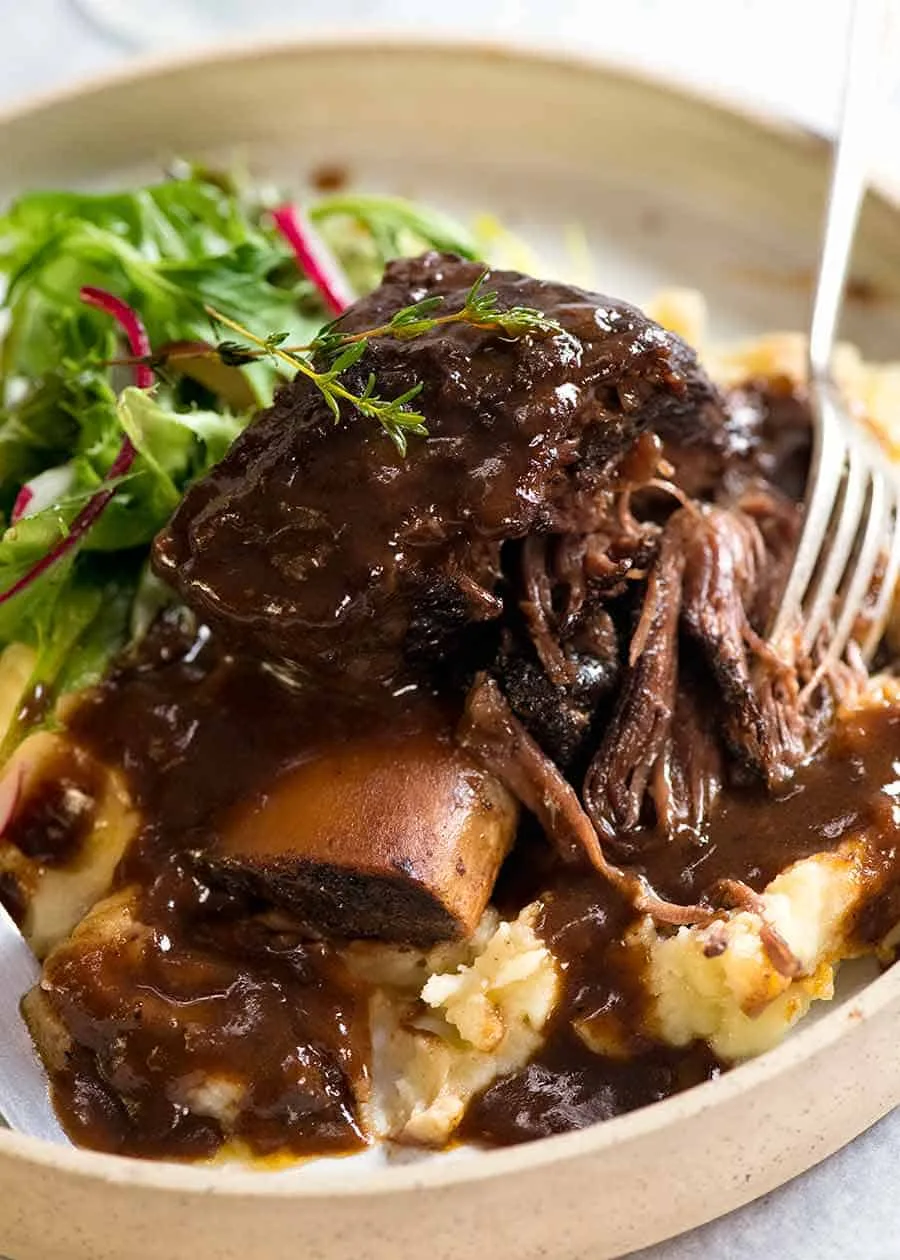
bone-in beef short ribs slow cooker
Ingredients
Method
- Pat the ribs dry and season with salt and pepper. Heat olive oil in a skillet and sear ribs on all sides until deeply browned.
- Deglaze the pan with a splash of broth, scraping up browned bits.
- Add sliced onion and garlic to the bottom of the slow cooker.
- Place seared ribs on top of the onion and garlic layer.
- Mix broth, balsamic vinegar, soy sauce, tomato paste, and Worcestershire sauce until smooth.
- Pour the liquid over the ribs. Add thyme, paprika, and bay leaf.
- Cover and cook on LOW for 7–8 hours or HIGH for 4–5 hours until ribs are tender.
- Remove bay leaf. Transfer ribs to a serving dish and spoon sauce over the top.
- Optional: Reduce or thicken sauce using your preferred method before serving.
Notes
Conclusion
This bone-in beef short ribs slow cooker recipe brings together rich flavor, tender meat, and simple steps. The slow cooking process gives you soft, fall-apart ribs, while the final sauce finish adds depth and a smooth texture. Using bone-in cuts makes a real difference, giving the dish more body and a fuller taste.
If you try this recipe, share your results in the comments and leave a star rating. Your feedback helps others and makes the recipe even better. You can also share it with friends on Pinterest or Facebook so more people can enjoy it.
What did you serve with your short ribs, or did you try a different sauce finish? Tell us below.
For more meal ideas, check out our slow cooker recipes using beef for easy and flavorful dishes.
Frequently Asked Questions (FAQ)
How long do you cook beef short ribs in a slow cooker?
Cook beef short ribs on LOW for 7 to 8 hours for the best texture. If you need a faster option, cook on HIGH for 4 to 5 hours. The meat should be very tender and easy to pull apart when done.
Does short rib get more tender the longer it cooks?
Yes, but only up to a point. Slow cooking helps break down connective tissue, which makes the meat soft. If cooked too long, the meat can become too soft and lose structure. Aim for tender but still holding its shape.
What are some common mistakes when slow cooking short ribs?
Skipping the searing step is a common mistake, as it reduces flavor. Adding too much liquid can also water down the sauce. Another issue is cooking on high heat for too long, which can affect texture.
How long does it take to cook bone-in beef short ribs?
In a slow cooker, bone-in short ribs take about 7 to 8 hours on LOW or 4 to 5 hours on HIGH. Cooking time may vary slightly based on the size of the ribs.
What is the difference between bone-in beef ribs and short ribs?
Bone-in beef ribs usually come from the back of the cow and have more bone with less meat. Short ribs come from the lower part and have more meat and fat, which makes them better for slow cooking.
How many people will a 3kg rib of beef feed?
A 3 kg portion of beef short ribs can feed about 6 to 8 people, depending on portion size and side dishes served.
Can I make this recipe without wine?
Yes! Substitute red wine with equal parts beef broth plus 1 tablespoon of balsamic vinegar for that essential acidity.