
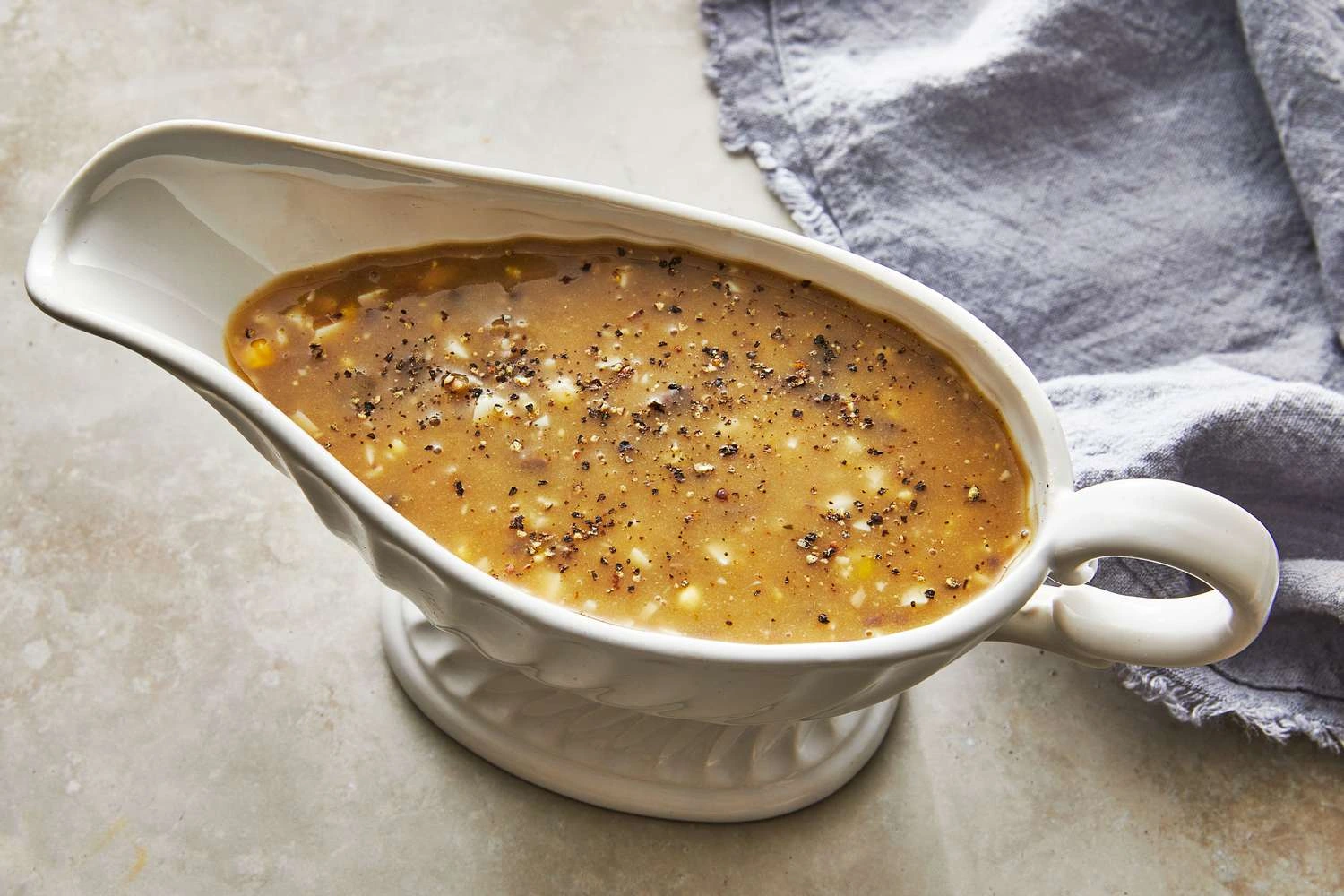
Giblet Gravy Recipe
Thanksgiving at my house always begins with the scent of simmering turkey parts on the stove. While the bird roasts, I quietly start this giblet gravy recipe the way my grandmother taught me. It is foolproof, rich, and smooth every time. No lumps. No stress. The secret is simple. I slowly simmer the neck, heart, and gizzard to create a deep homemade stock that builds bold flavor from the start. You can even make it ahead, which saves time on busy holiday mornings.
If you enjoy classic homestyle dinners, you might also love our Easy Chicken Broccoli Rice Casserole in Oven
Table of Contents
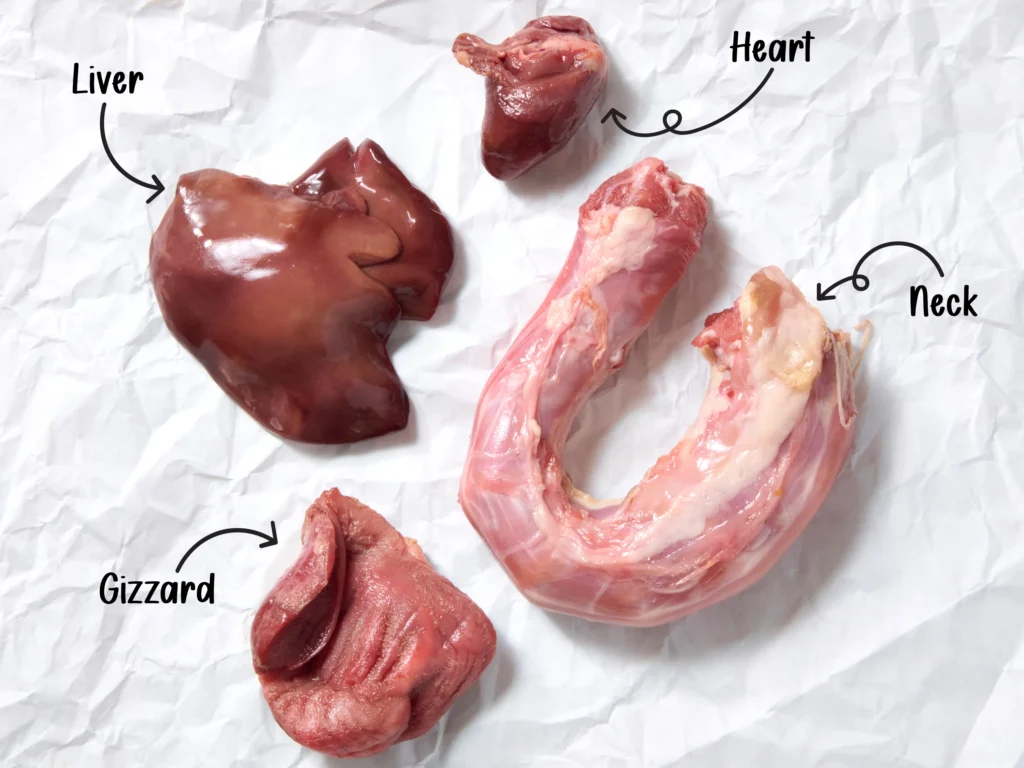
What Are Giblets? Demystifying the Mystery Bag
If you have ever opened a whole turkey, you have likely found a small bag tucked inside the cavity. That bag holds the giblets. Many home cooks feel unsure about them, but they are simple once you know what each piece does.
The Neck
The neck is full of bones and small bits of meat. When you simmer it, it releases deep poultry flavor into the broth. After cooking, you can pull the tender meat from the bone and chop it finely for added texture in the gravy.
The Gizzard and Heart
The gizzard and heart are firm muscle meats. They need steady simmering to become tender. Once cooked and chopped, they give the gravy a pleasant bite and a rich, savory taste.
The Liver
The liver has a strong flavor. A little goes a long way. Some cooks add the whole liver, while others use only half to prevent bitterness. I like to simmer it briefly at the end so it stays smooth and mild. If you prefer a lighter taste, you can leave it out.
Once you understand each piece, the mystery disappears. Giblets are not scraps. They are the base of a bold, traditional gravy that tastes far better than anything from a packet.
This giblet gravy recipe uses simple ingredients, but each one builds deep flavor. I like to group them so you can prep faster and stay organized.
Ingredients Needed
This giblet gravy recipe uses simple, honest ingredients. Each one builds deep flavor and classic holiday richness. Prep everything before you start cooking to keep the process smooth and stress free.
For the Giblet Broth
- 1 package turkey giblets, including neck, heart, and gizzard
- 1 turkey liver
- 1 medium onion, cut into thick slices
- 1 celery stalk, cut into chunks
- 1 medium carrot, cut into thick slices
- 1 half teaspoon salt
- 3 to 4 cups cold water, enough to fully cover the ingredients
The vegetables add natural sweetness. The neck adds body. The heart and gizzard give texture.
For the Gravy Base
- 3 tablespoons turkey fat from pan drippings, or unsalted butter if needed
- 3 tablespoons all purpose flour
- 1 half teaspoon salt, adjust to taste
- 1 eighth teaspoon ground black pepper, or more if desired
The flour and fat create the roux, which thickens the gravy. The pan drippings add roasted flavor. If you do not have enough drippings, butter works well and still gives a smooth result.
Have everything measured before you begin. This keeps the cooking process calm and helps prevent lumps.
How to Make Giblet Gravy Recipe
Before you begin, set aside about 1 hour for simmering the giblets. This slow cooking step builds the deep flavor that makes this gravy special.
Step 1: Simmer the Giblets for a Rich Broth
Place the turkey neck, heart, gizzard, sliced onion, celery, carrot, and half teaspoon salt into a medium saucepan. Pour in enough cold water to fully cover everything, usually about 3 to 4 cups.
Bring the pot to a gentle boil over medium high heat. Once it reaches a boil, lower the heat to a soft simmer and cover the pot. Let it cook for 45 minutes. You should see small bubbles, not a rolling boil. Slow simmering keeps the meat tender and prevents a cloudy broth.
Step 2: Add the Liver at the Right Time
After 45 minutes, add the turkey liver to the pot. Continue simmering for another 15 minutes.
Adding the liver later helps control its strong flavor. Overcooking it can make the broth slightly bitter, so timing matters.
Pro Tip: Soak the liver in milk for 30 minutes before simmering to remove any metallic taste. Rinse and pat dry before adding it to the pot.
Step 3: Strain and Chop the Meat
Place a sieve over a large bowl and carefully pour the contents of the pot through it. Save the broth and discard the cooked vegetables.
Let the giblets cool slightly. Remove the meat from the neck bone. Finely chop the neck meat, heart, gizzard, and liver into small pieces. Small pieces blend better into the gravy and give a pleasant texture in every bite. Set the chopped meat aside.
Step 4: Prepare the Pan Drippings
After roasting your turkey, pour the pan drippings into a measuring cup. Let it rest for a few minutes until the fat rises to the top.
Spoon off 3 tablespoons of the fat and place it into a saucepan. This fat adds roasted flavor to the gravy.
To the remaining drippings, add enough reserved giblet broth to make a total of 3 and a half cups of liquid. If you are short on broth, add a little water to reach the full amount.
Step 5: Make the Roux
Place the saucepan with the 3 tablespoons of turkey fat over medium heat. If you do not have enough turkey fat, use unsalted butter.
Add the flour, half teaspoon salt, and black pepper. Whisk constantly as it cooks. Keep stirring until the mixture turns light golden brown. This usually takes 3 to 5 minutes.
Cooking the flour removes the raw taste and creates a smooth base. The mixture should look like a thick paste.
Step 6: Whisk in the Broth and Finish
Slowly pour the 3 and a half cups of liquid into the roux while whisking steadily. Adding the liquid gradually prevents lumps.
Increase the heat slightly and continue stirring until the gravy begins to bubble. Let it cook until it thickens enough to coat the back of a spoon. This is your visual cue that it is ready.
Stir in the chopped giblets and neck meat. Reduce the heat and let the gravy simmer gently for a few more minutes so the flavors blend together.
Taste and adjust salt or pepper if needed. Serve warm over turkey, mashed potatoes, or dressing.
Troubleshooting: How to Fix Common Gravy Disasters
Even a simple giblet gravy recipe can run into small problems. The good news is that each issue has an easy fix.
Lumpy Gravy
Lumps usually form when liquid is added too quickly to the roux or when the flour is not whisked well.
First, try whisking firmly over medium heat. Often, steady whisking will smooth it out within a few minutes.
If lumps remain, pour the gravy into a blender and pulse for a few seconds until smooth. You can also use an immersion blender directly in the pot. Return the gravy to the heat and simmer gently.
Too Salty
If the gravy tastes too salty, do not panic.
Add a small splash of heavy cream or a bit of unsalted broth. This helps balance the salt. You can also stir in a little warm water if needed. Taste again before adding more salt.
Too Thin
If your gravy looks watery, let it simmer uncovered for several more minutes. Slow cooking allows excess liquid to evaporate and thickens the sauce naturally.
For a faster fix, mix one tablespoon cornstarch with one tablespoon cold water to create a slurry. Stir it into the simmering gravy and cook until thickened. The gravy should coat the back of a spoon when ready.
Too Thick
If the gravy becomes too thick, slowly whisk in warm broth or water a few tablespoons at a time. Keep stirring until you reach the texture you prefer.
With these quick fixes, you can turn almost any gravy mistake into a smooth and flavorful success.
Make Ahead, Storage, and Freezing Instructions
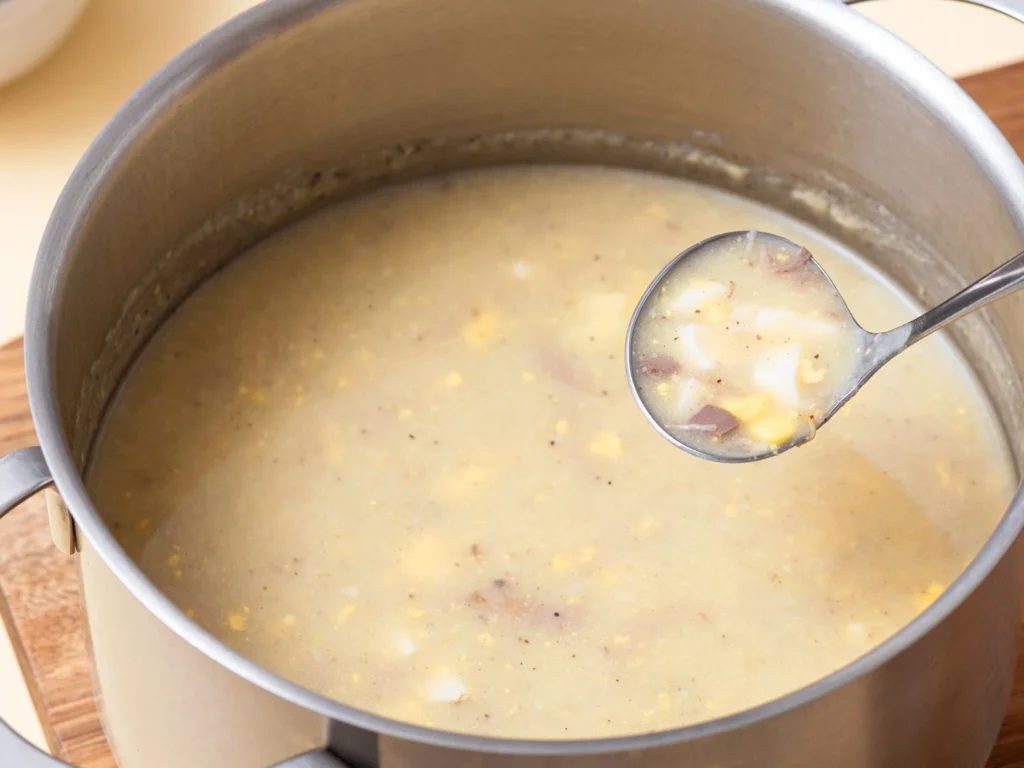
Holiday cooking can feel rushed. This giblet gravy recipe fits well into a busy schedule because you can prepare it in advance without losing flavor or texture.
How to Make It Two Days Early
Prepare the full gravy as directed. Let it cool to room temperature. Transfer it to an airtight container and store it in the refrigerator for up to 2 days.
When ready to serve, reheat it gently on the stovetop over medium low heat. Stir often to keep it smooth. If the gravy has thickened in the fridge, whisk in a few tablespoons of warm broth or water until it reaches the right consistency.
How to Store Leftovers
Place leftover gravy in a sealed container and refrigerate for up to 4 days. Always let it cool before sealing the container to prevent excess moisture buildup.
How to Freeze Giblet Gravy
This gravy freezes well. Pour cooled gravy into airtight containers or freezer safe bags. Leave a little space at the top for expansion. Freeze for up to 3 months.
Label each container with the date so you remember when you made it.
How to Reheat Frozen Gravy
Thaw the gravy overnight in the refrigerator. Pour it into a saucepan and heat slowly over medium low heat. Stir frequently.
If the texture looks slightly separated, whisk it well as it warms. Add a splash of broth if needed to restore a silky finish.
Making the gravy ahead of time gives you one less task on the big day, which means more time with family and less stress in the kitchen.
Recipe Variations
This giblet gravy recipe is flexible. You can adjust it to fit different diets or family preferences without losing flavor.
Gluten Free Option
Replace the all purpose flour with a one to one gluten free flour blend. Use the same amount and cook it with the fat just like a regular roux.
You can also skip the flour and use cornstarch instead. Mix one tablespoon cornstarch with one tablespoon cold water. Stir it into the simmering broth and cook until thick. The texture will be slightly glossy but still rich and smooth.
Keto or Low Carb Version
For a low carb option, skip the flour completely. After simmering the broth, whisk in a small pinch of xanthan gum while stirring constantly. Start with one eighth teaspoon and add more only if needed.
Xanthan gum thickens quickly, so use a light hand. The result is a thick gravy without added carbs.
Egg Free Version
Some Southern cooks like to add chopped hard boiled eggs to giblet gravy. Others prefer a smooth brown gravy without eggs.
If you want a classic, silky texture, simply leave out the eggs. Focus on finely chopping the giblets and whisking the gravy well for a uniform finish. This version pairs beautifully with roasted turkey and mashed potatoes.
These variations allow you to serve guests with different needs while keeping the heart of the recipe intact.
While many modern recipes skip it, adding finely chopped hard-boiled eggs is the “secret handshake” of authentic Southern giblet gravy. The eggs add body, texture, and that nostalgic holiday flavor many families grew up with.

Giblet Gravy Recipe
Ingredients
Method
- Place the turkey neck, heart, gizzard, onion, celery, carrot, and salt into a medium saucepan. Cover with cold water. Bring to a gentle boil, then reduce to a soft simmer. Cover and cook for 45 minutes.
- Add the turkey liver and continue simmering for 15 more minutes to prevent bitterness.
- Strain the broth into a large bowl and discard the vegetables. Remove meat from the neck bone and finely chop the neck meat, heart, gizzard, and liver. Set aside.
- Pour turkey pan drippings into a measuring cup and let the fat rise. Spoon 3 tablespoons of fat into a saucepan. Add enough reserved broth to remaining drippings to equal 3 1/2 cups total liquid.
- Heat the fat over medium heat. Whisk in flour, salt, and black pepper. Cook while whisking constantly for 3 to 5 minutes until light golden brown.
- Gradually whisk in the 3 1/2 cups of broth mixture. Continue stirring until the gravy thickens and coats the back of a spoon.
- Stir in the chopped giblets and simmer gently for a few minutes. Adjust seasoning to taste and serve warm.
Notes
Conclusion
This giblet gravy recipe brings real holiday flavor to your table. It uses simple steps, a slow simmered homemade stock, and a steady whisk to create a smooth, lump free finish. You can make it ahead, store it with ease, and reheat it without losing texture. That makes it perfect for Thanksgiving or Christmas when the kitchen feels busy.
If you tried this recipe, I would love to hear how it turned out. Leave a comment below and share your tips. Did you add eggs or keep it classic and smooth? Please leave a star rating to help other home cooks. You can also share this recipe on Pinterest or Facebook so your friends can enjoy it too.
Serving Suggestions and Call to Action
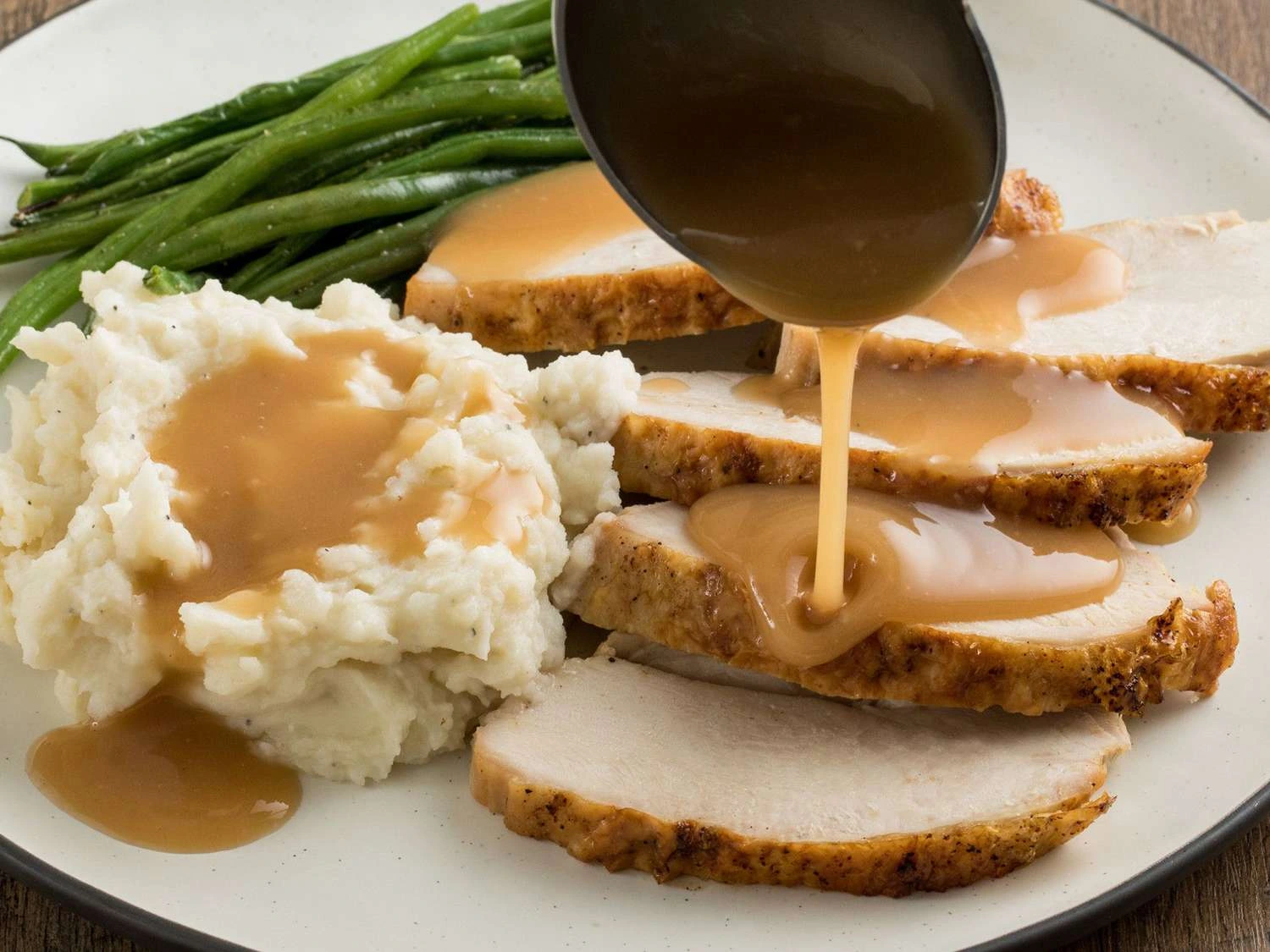
This giblet gravy recipe shines when served hot and fresh. Pour it generously over creamy mashed potatoes and watch it soak into every bite. Spoon it over roasted turkey slices to add moisture and rich flavor. It also pairs beautifully with cornbread dressing, rice, or even warm biscuits.
For a full holiday plate, serve it alongside roasted turkey, buttery rolls, green beans, and cranberry sauce. The deep, savory taste ties everything together.
If you tried Grandma’s recipe, leave a 5 star review and share your favorite holiday memory in the comments. Did your family always use the whole liver, or just a small piece? I would love to hear how you make it your own.
Frequently Asked Questions
What is the best giblet gravy recipe for Thanksgiving?
The best giblet gravy recipe for Thanksgiving starts with slowly simmered turkey neck, heart, and gizzard to create a rich homemade broth. Using pan drippings from the roasted turkey adds deep flavor. A well cooked roux and steady whisking help create a smooth, lump free texture that pairs perfectly with mashed potatoes and stuffing.
How do I make a traditional Southern giblet gravy with eggs?
To make a traditional Southern giblet gravy with eggs, prepare the gravy as directed. Hard boil two eggs, peel them, and chop them finely. Stir the chopped eggs into the finished gravy just before serving. The eggs add texture and are a classic addition in many Southern kitchens.
Can you make giblet gravy without the actual giblets?
Yes, you can make giblet gravy without the giblets. Use turkey or chicken broth along with pan drippings to build flavor. The result will be smoother and more like a classic brown gravy. While you lose some texture, the taste can still be rich and satisfying.
What is the easiest way to clean and prep turkey giblets?
Rinse the giblets under cold running water and pat them dry with paper towels. Trim away any tough membranes or excess fat from the gizzard if needed. Keep the pieces chilled until ready to cook. Simple rinsing and trimming is usually all that is required.
How long should I simmer giblets for the best flavor?
Simmer the neck, heart, and gizzard for about 45 minutes to build flavor and tenderness. Add the liver during the final 15 minutes. This timing keeps the broth rich while preventing the liver from becoming bitter.
Can I make giblet gravy ahead of time and freeze it?
Yes, you can make giblet gravy ahead and freeze it for up to 3 months in an airtight container. Thaw it overnight in the refrigerator. Reheat slowly on the stovetop while whisking to restore a smooth texture. Add a splash of broth if it becomes too thick.