
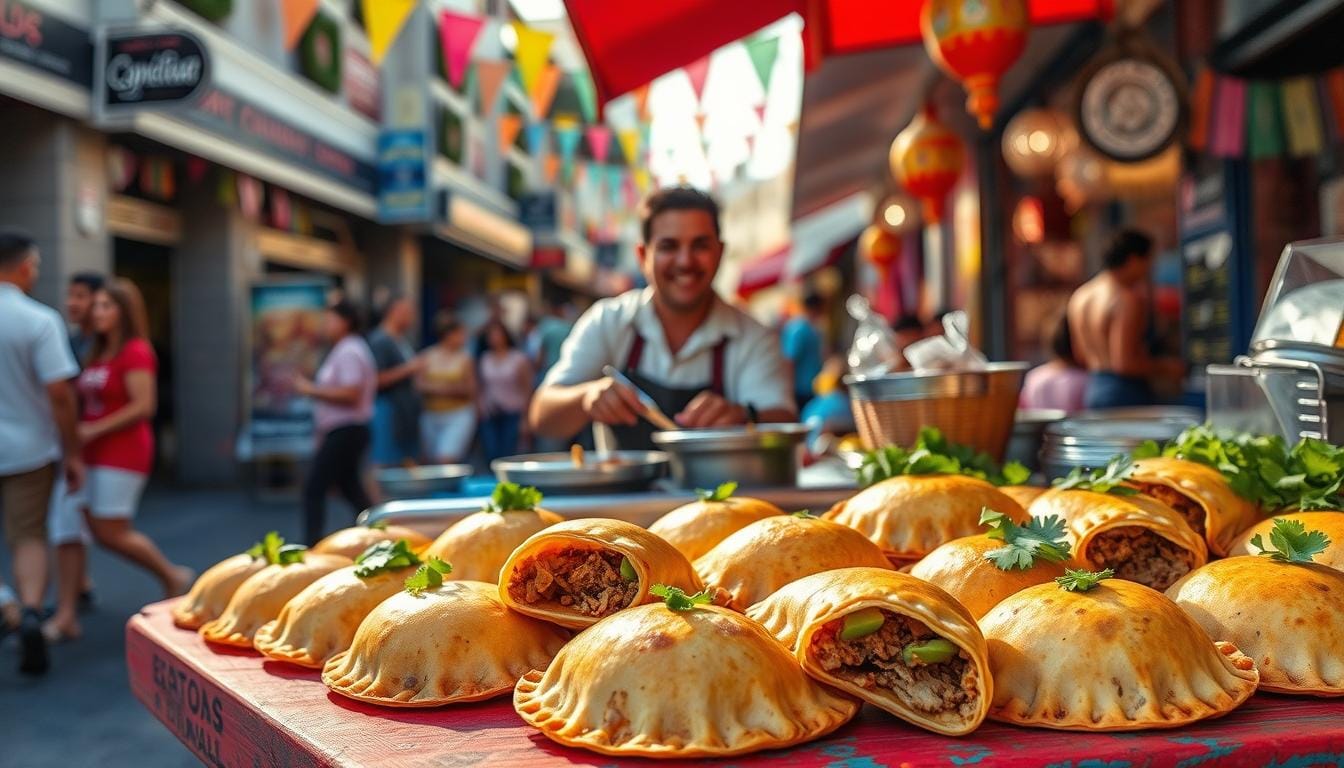
7 Amazing Puerto Rican Empanadas: Traditional Fillings & Spices
When you take a bite of a Puerto Rican empanada, you’ll see why they’re more than food. They’re a journey through Caribbean traditions. These golden pastries are filled with flavors that make your taste buds dance.
Picture yourself in San Juan’s lively markets. The smell of sofrito and fresh dough is everywhere. Puerto Rican empanadas are more than a snack; they’re a cultural adventure. Each bite shares stories of cooking passed down through generations, mixing indigenous and Spanish flavors.
Whether you love food or are just curious, these empanadas are a true taste of Puerto Rico. The crispy outside and the spiced inside are a delight. You’ll see why so many are sold every day on the island. Prepare to discover a world of flavors that’s more than just street food.
These Puerto Rican empanadas can be filled with cheesy and savory meats—just like many creative recipes with sausage found on our site.
Table of Contents
Why Puerto Rican Empanadas Stand Apart from Other Latin American Pastries
Puerto Rican empanadas, known as authentic pastelillos, have a unique place in culinary traditions. They are more than just street food. They carry a rich cultural heritage.
To understand what makes these empanadillas special, we need to look at two key elements:
The Corn-Based Masa Harina Foundation
The base of true Puerto Rican empanadas is their corn-based dough. Unlike other Latin American versions, they use masa harina. This corn flour is rooted in Taíno traditions.
- Smaller, crispier pastry texture
- Directly connected to indigenous cooking methods
- Creates a distinctive flavor profile
Sofrito-Seasoned Fillings That Define Authentic Flavor
The heart of an authentic empanadillas recipe is its sofrito seasoning. This blend turns simple ingredients into a complex culinary experience.
- Fresh cilantro
- Garlic
- Onions
- Bell peppers
Don’t use bottled shortcuts. True Puerto Rican empanadas need fresh, slow-cooked ingredients. These ingredients bring out the bright, layered flavors of the island’s rich culinary heritage.
The Cultural Heritage Behind Puerto Rico’s Golden Fried Pastries
Puerto Rican Caribbean fried pastries have a long history. They are a mix of cultures that have shaped the island’s food. These golden treats are more than just food; they show the island’s rich culinary past.
The history of these pastries is rooted in three main cultures:
- Taíno indigenous corn-based cooking techniques
- Spanish colonial culinary traditions
- African spice blending expertise
Spanish explorers brought the idea of empanadas to Puerto Rico. The word empanar means “to wrap in bread”. The local ingredients and ways of cooking made these pastries unique. They show the mix of cultures in Puerto Rico.
In colonial times, these pastries were more than food. They were a symbol of resistance. People made them at secret meetings to keep their cooking alive. Today, festivals like the Festival de la Música Puertorriqueña celebrate this tradition. They show how food brings people together across generations.
Every bite of a Puerto Rican empanada tells a story of survival, creativity, and cultural pride.
Puerto Rican Empanadas: Traditional Ingredients and Preparation Methods
Making authentic Puerto Rican empanadas is more than just cooking. It’s about mastering the art of traditional preparation. You need to know the unique ingredients and old techniques that make these pastries special.
The key to great carne molida empanadas is understanding the essential ingredients. These ingredients bring these golden treats to life. Authentic preparation requires precision and respect for traditional methods.
Essential Spices and Sofrito Components
Sofrito seasoning is at the heart of Puerto Rican cuisine. Your empanada filling will change with these key ingredients:
- Fresh cilantro (not dried)
- Minced garlic
- Sweet onions
- Bell peppers
- Ground cumin
- Dried oregano
Signature Fillings with Ground Beef, Olives, and Capers
Creating the perfect picadillo filling needs careful attention. Your ground beef mixture should include:
- Lean ground beef (carne molida)
- Briny capers
- Chopped green olives
- Finely diced onions
- Optional hard-boiled egg chunks
Pro tip: Pat your olives and capers dry to prevent excess moisture. This helps keep your empanada crispy. The ideal filling should have less than 15% moisture content for a perfect fry.
The secret to authentic Puerto Rican empanadas lies in the love and tradition poured into every step of preparation.
How to Identify Authentic Pastelillos Versus Imitation Recipes
Finding real Puerto Rican empanadas can be tough. Many online recipes don’t get it right. You need a guide to spot the real deal from fake ones.
The secret to finding true Puerto Rican empanadas is in their dough. Real pastelillos use corn-based dough, not wheat flour. This simple fact helps you tell real recipes from fake ones.
- Check the primary flour: Traditional masa harina should be the main ingredient
- Look for specific sealing techniques: Braided edges or fork-crimped borders
- Verify cooking method: Primarily fried, though baking is sometimes acceptable
It gets tricky because different places in Puerto Rico call the same pastry different names. It might be an empanadilla, pastelillo, or just an empanada. The name often shows local traditions and family recipes.
| Feature | Authentic Pastelillo | Imitation Recipe |
|---|---|---|
| Dough Base | Corn-based masa harina | Wheat or all-purpose flour |
| Cooking Method | Traditionally fried | Mostly baked |
| Filling Complexity | Seasoned meat with sofrito | Simple cheese or generic filling |
“A true pastelillo tells a story of Puerto Rican culinary heritage through every crispy, flavorful bite.”
Start your detective work by knowing these key signs. Say no to recipes that don’t capture the true taste of Puerto Rico. Choose the real pastelillos that bring you closer to the island’s lively food scene.
When to Serve These Street Food Favorites and When to Skip Them
Puerto Rican empanadillas are perfect for certain times. They are great for casual gatherings and special events. Knowing when to serve them can make your meals more enjoyable and respect cultural traditions.
If you love experimenting with sausage-based snacks, try making sausage balls, which are another fun and flavorful meat treat.
Best Occasions for Puerto Rican Empanadillas
These tasty treats are ideal for many casual events. Serve gluten-free empanadas at:
- Holiday celebrations like Christmas and Three Kings Day
- Informal street food festivals
- Family reunions and casual parties
- Midday snack breaks
- Outdoor community events
Dietary Considerations and Restrictions
When making empanadillas, think about dietary needs. Here are some important points:
| Dietary Requirement | Empanadilla Suitability | Recommendations |
|---|---|---|
| Gluten-Free | Naturally Compatible | Verify corn masa harina purity |
| Vegan | Not Recommended | Contains meat and eggs |
| Formal Dining | Limited Appropriateness | Better for casual settings |
When making gluten-free empanadas, watch out for cross-contamination. Use separate cooking areas and check ingredients to keep your meal safe.
Pro tip: Pair your empanadillas with fresh recaíto sauce for an authentic Puerto Rican street food experience!
Common Mistakes That Ruin Authentic Puerto Rican Empanadas
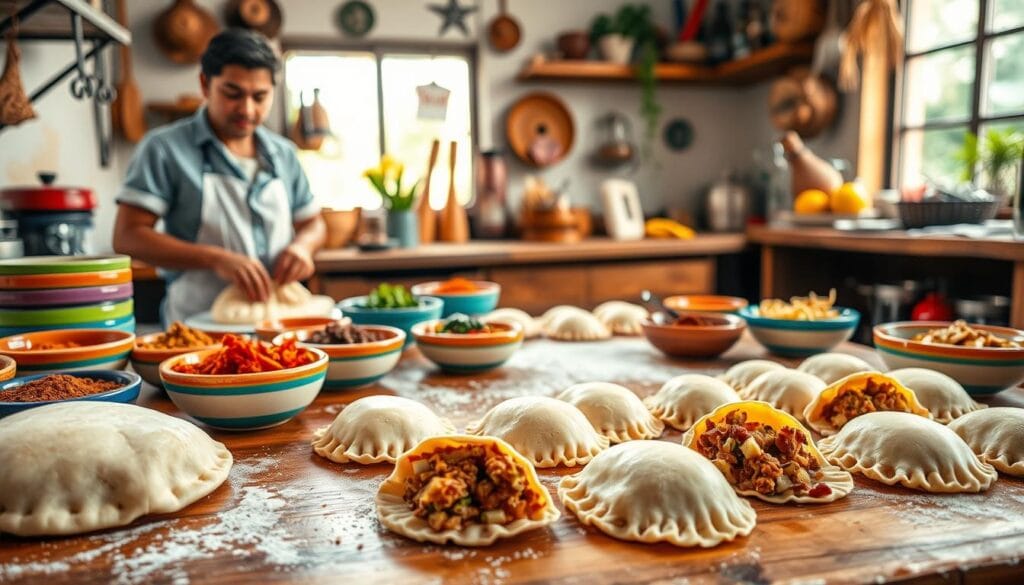
Making perfect Puerto Rican empanadas needs careful attention and knowledge of traditional masa harina techniques. Many home cooks make a few big mistakes. These errors can turn these tasty pastries into a culinary disaster.
The biggest mistakes often start with the dough. Using all-purpose flour instead of masa harina makes empanadas tough and chewy. Authentic Puerto Rican empanadas demand specific masa harina mixing techniques. This includes using hot water to activate the corn flour’s unique properties.
- Dough Disaster: Never use regular wheat flour as a substitute
- Hydration Technique: Mix masa harina with hot water for proper texture
- Sofrito Shortcuts: Avoid bottled versions that flatten flavor profiles
Size and filling are also key challenges. Making empanadas too big can ruin their street food charm. They should be no more than 3 inches, easy to hold in one hand. Wet ingredients like olives and capers need to be dried well to avoid frying problems.
| Mistake | Consequence | Correct Technique |
|---|---|---|
| Wrong Flour | Tough Texture | Use Masa Harina |
| Overfilling | Frying Blowouts | Pat Ingredients Dry |
| Skipping Rest | Cracked Dough | 20-Minute Dough Rest |
“The magic of Puerto Rican empanadas lies in mastering the subtle art of preparation.” – Puerto Rican Chef Manuel Rodriguez
Choosing to bake instead of fry is another big mistake. The dough, made from corn, doesn’t have the gluten needed for baking. This means baked empanadas lack the texture that makes them special. Stick to frying for the best taste and texture.
Regional Variations Across San Juan, Ponce, and Caribbean Communities
Puerto Rican empanadas show the island’s rich flavors. Each city and community adds its own twist to these beloved treats. This creates a vibrant food scene.
San Juan’s empanadas are known for their traditional tastes. The capital’s markets are filled with vendors making empanadas with classic meat fillings. These pastries are:
- Ground beef seasoned with sofrito
- Capers and olives for extra depth
- Crispy, golden-brown exteriors
Ponce, on the other hand, offers new takes on empanadas. Local chefs try out sweet and savory combinations. They even make empanadas with pineapple, showing off the region’s farming creativity.
Festival Culinary Traditions
At festivals like the Festival de la Música Puertorriqueña, empanadas are a big hit. You’ll see vendors selling a variety of Caribbean treats, including:
- Alcapurrias (meat-filled fritters)
- Bacalaitos (crispy codfish fritters)
- Regional empanada variations
Coastal areas often have empanadas filled with seafood. Mountain regions prefer meat and root vegetables. This variety makes each bite a journey through Puerto Rico’s food culture.
Every empanada tells a story of local tradition and family heritage.
Whether you’re in San Juan’s markets or Ponce’s festivals, these street foods offer a taste of Puerto Rico’s lively food scene.
Storage, Reheating, and Serving Recommendations for Maximum Freshness
Keeping Puerto Rican empanadas fresh is key. Follow these tips to keep your fried pastries crispy and flavorful.
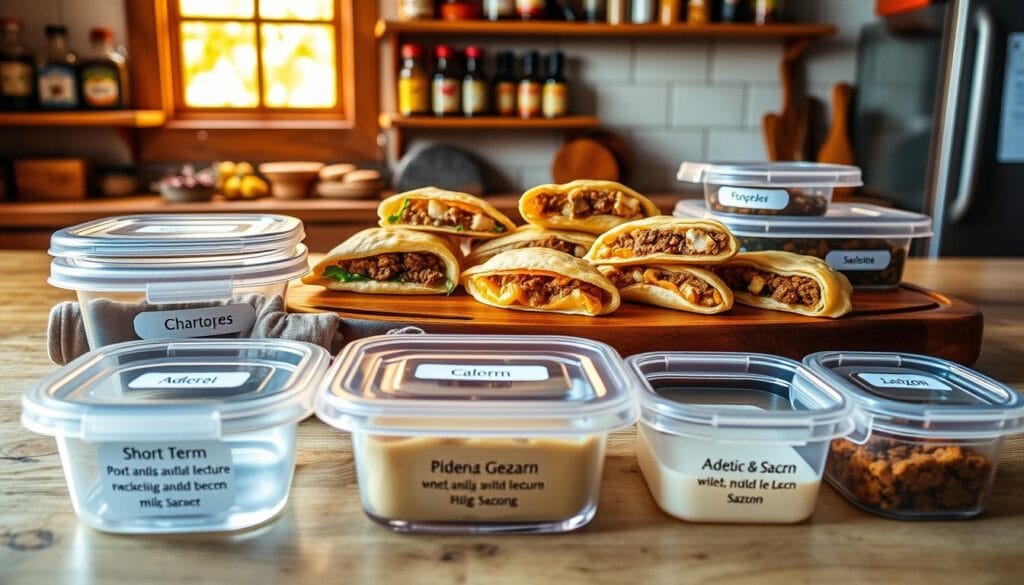
Reheating empanadas right is important. Here’s how to keep them tasting great:
- Cool empanadas completely on a wire rack to prevent moisture buildup
- Store in an airtight container at room temperature
- Place parchment paper between layers to prevent sticking
- Consume within 24 hours for optimal taste and texture
Don’t refrigerate empanadas. It makes the crust soggy. For the best taste, reheat them this way:
| Reheating Method | Temperature | Cooking Time |
|---|---|---|
| Conventional Oven | 350°F | 8 minutes |
| Air Fryer | 350°F | 4 minutes |
Pro tip: Never microwave empanadas! The steam will ruin the corn crust. If you must store them longer, freeze raw pastries. Freeze them on a baking sheet, then bag them for up to three months.
Always serve empanadas with fresh recaíto sauce. It adds a bright, herbal flavor that complements the pastry perfectly.
For more savory handheld delights, this sausage bread offers cheesy goodness that pairs well with empanada-style meals.
Conclusion
Ordering authentic Puerto Rican empanadas is more than just eating a meal. It’s a journey into a rich cultural story. These pastries mix Taíno, Spanish, and African flavors into a single, golden-fried treat.
Knowing what makes a Puerto Rican empanada special helps you enjoy them more. The dough is made from corn, and the fillings are seasoned with sofrito. They include ground beef, olives, and capers. Each bite tells a story of culinary tradition passed down through generations.
Exploring these street food treasures means authenticity is key. Look for recipes and vendors who stick to traditional ways. This way, you get to enjoy a great meal and help keep Puerto Rico’s food traditions alive.
Enjoying empanadas in San Juan or making them at home opens a window into Caribbean culture. With this knowledge, you can truly appreciate these traditional pastries.