
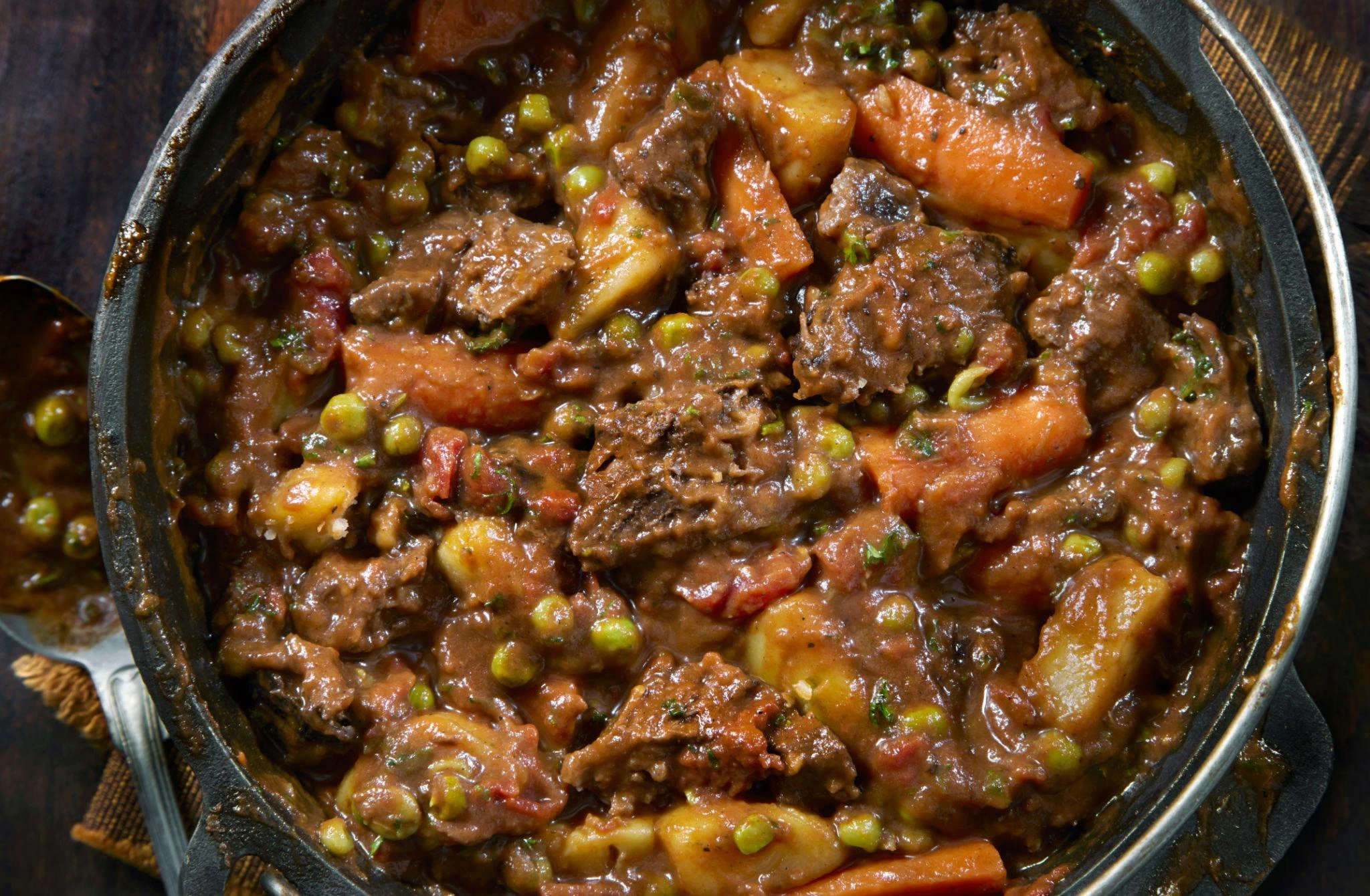
Short Rib Stew Recipe (5 Steps to Rich, Tender Beef)
Introduction
Short rib stew is the kind of meal I turn to when I want deep comfort in a single bowl. The rich taste and slow-cooked texture make it feel warm and satisfying from the first bite. It stands out as a true comfort food because the meat turns soft and juicy while the sauce becomes full of flavor.
This happens because low heat breaks down the tough connective tissue inside the ribs. That process creates tender meat that falls apart easily. Compared to beef chuck or pork ribs, short ribs give a deeper taste and a more silky texture, which makes them a top choice for a hearty stew.
For safe cooking temperatures, check the USDA guidelines to ensure your beef is properly cooked and safe to eat.
Table of Contents
Why You’ll Love This Recipe
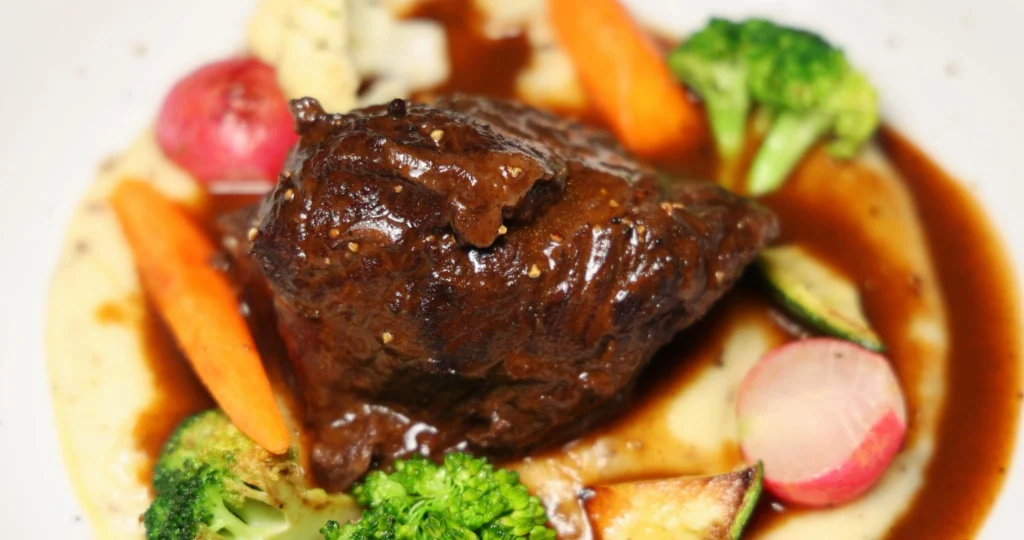
- Simple steps with clear results. You follow a few key actions and get a rich, slow-cooked dish without stress.
- Deep flavor from proper browning and slow simmering. Each layer builds taste that feels full and satisfying.
- Flexible cooking options. You can use a pot, oven, slow cooker, or pressure cooker based on your time.
- Perfect for family meals or guests. It feels special but does not require complex skills.
- Tender meat every time. The ribs turn soft and juicy, making each bite easy and enjoyable.
This version stands out because it focuses on strong flavor from the start. Browning the meat well and cooking the tomato paste adds depth you can taste in every spoon. The balance between the rich sauce and soft vegetables makes the dish feel complete.
It is more than just a meal. It brings comfort, fills the kitchen with a warm aroma, and gives you a dish you will feel proud to serve.
Ingredients Needed
For the Beef and Base
- 2 lbs (about 1 kg) beef short ribs, bone-in or boneless, trimmed of excess surface fat
- 2 tablespoons olive oil for browning
- 1 large onion, finely chopped for a rich base
- 3 garlic cloves, minced fresh for stronger flavor
For the Vegetables
- 3 carrots, sliced into thick rounds so they hold shape during cooking
- 2 potatoes, cut into medium cubes for a hearty texture
For the Sauce
- 2 cups beef broth, low sodium if possible for better control of salt
- 1 cup beef broth with 1 teaspoon Worcestershire sauce, adds depth and a rich, savory taste without alcohol
- 2 tablespoons tomato paste, used to build a deep, rich color and taste
For Seasoning
- 1 teaspoon dried thyme for an earthy note
- 1 teaspoon paprika to add mild warmth and color
- 1 bay leaf for slow-released aroma
- Salt and black pepper, adjusted to your taste
Optional Thickening
- 1 tablespoon flour to slightly thicken the sauce at the end if needed
Essential Buying Guide: Bone-in vs. Boneless
Choosing the right short ribs makes a big difference in your final dish. Start by looking at the color. Fresh beef should be bright red with clear lines of fat running through it. This fat, known as marbling, melts during cooking and gives the stew a rich taste. Avoid pieces that look dull or grey, as they are not as fresh.
Bone-in ribs are often the better choice. The bone helps the meat cook more evenly and adds extra depth to the sauce as it simmers. It also helps keep the meat moist during long cooking times. Many home cooks notice a fuller flavor when using bone-in cuts.
Boneless ribs are still a good option if you want easier serving and less effort at the table. They cook slightly faster and are simpler to handle, but they may not deliver the same level of richness as bone-in pieces.
If you want the best result, choose well-marbled, bone-in short ribs. This choice gives you tender meat and a deeper, more satisfying stew.
How to Make Short Rib Stew
- Prepare and sear the ribs
Pat the short ribs dry with paper towels. This helps them brown better. Heat olive oil in a large pot or Dutch oven over medium-high heat. Place the ribs in the hot oil and brown them on all sides. This step builds a deep flavor base through caramelization. Once browned, remove the ribs and set them aside. - Cook the onion and garlic
In the same pot, add the chopped onion. Cook for about 5 minutes until soft and slightly golden. Stir often to avoid burning. Add the minced garlic and cook for about 1 minute until fragrant. This creates the base layer of flavor for the stew. - Build the flavor with tomato paste
Add the tomato paste and stir it into the onions and garlic. Let it cook for 1 to 2 minutes. You will notice the color darkens slightly. This step adds richness and depth to the sauce. - Add flour if using
Sprinkle the flour into the pot and mix well. Cook it briefly so it blends with the oil and forms a light coating. This helps thicken the stew later. - Pour in the liquids and deglaze
Slowly pour in the beef broth mixed with Worcestershire sauce. Stir well and scrape the bottom of the pot using a wooden spoon. This lifts the browned bits, known as fond, which add strong flavor to the stew. - Add vegetables and seasoning
Add the carrots, potatoes, thyme, paprika, bay leaf, salt, and black pepper. Stir to combine everything evenly so the seasoning spreads through the liquid. - Return the ribs and simmer
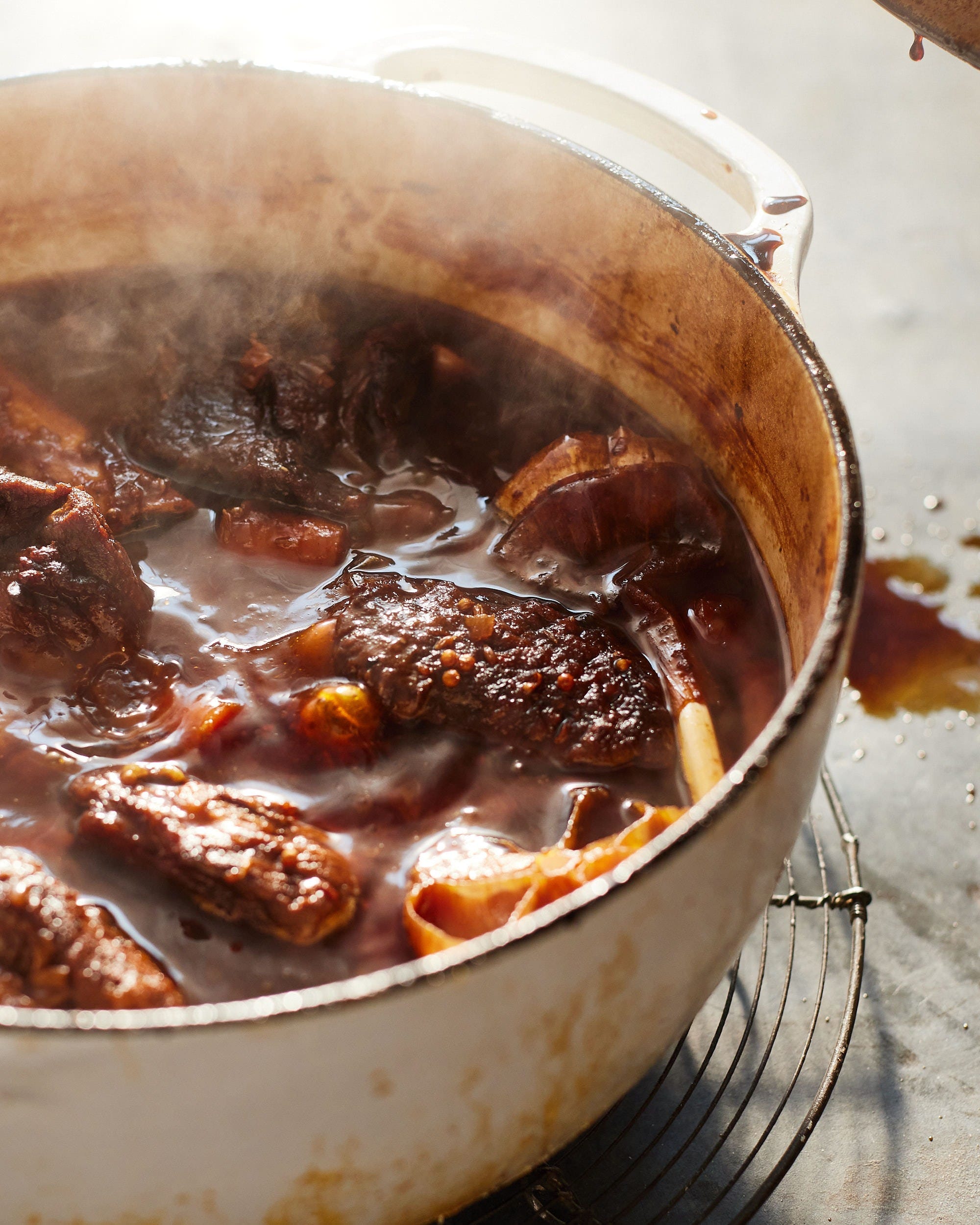
Place the seared ribs back into the pot. Make sure they are mostly covered by the liquid. Reduce the heat to low, cover the pot, and let it cook gently for 2.5 to 3 hours. The meat is ready when it becomes very tender and pulls apart easily with a fork. - Finish and adjust taste
Remove the bay leaf before serving. Taste the stew and adjust salt or pepper if needed. The sauce should be thick enough to lightly coat a spoon, and the meat should be soft and rich. Serve hot for the best experience.
Choose Your Device (Conversion Guide)
| Cooking Method | Time Required | Key Benefit | Best For |
| Dutch Oven (Oven) | 3 hours at 325°F | Even heat and deep flavor | Classic slow-cooked texture |
| Slow Cooker | 8 hours on Low | Hands-off and very tender meat | Busy days and meal prep |
| Instant Pot | 45 to 60 minutes | Fast cooking with rich results | Quick but still flavorful meals |
| Stovetop | 2.5 to 3 hours | Easy control during cooking | Traditional cooking style |
Expert Tips for Success
Alcohol-Free Option
You can still achieve a rich and deep flavor without using wine. Use beef broth combined with a small amount of Worcestershire sauce or soy sauce.
This simple mix adds a strong savory taste and a slight tang, helping the stew feel full and well balanced without any alcohol.
Manage Excess Fat
After cooking, you may notice a layer of fat on top of the stew. You can skim it off using a spoon for a lighter finish. For an even cleaner result, let the stew cool slightly, then remove the fat more easily as it rises to the surface. This step gives the sauce a smoother and more refined texture.
Control Vegetable Texture
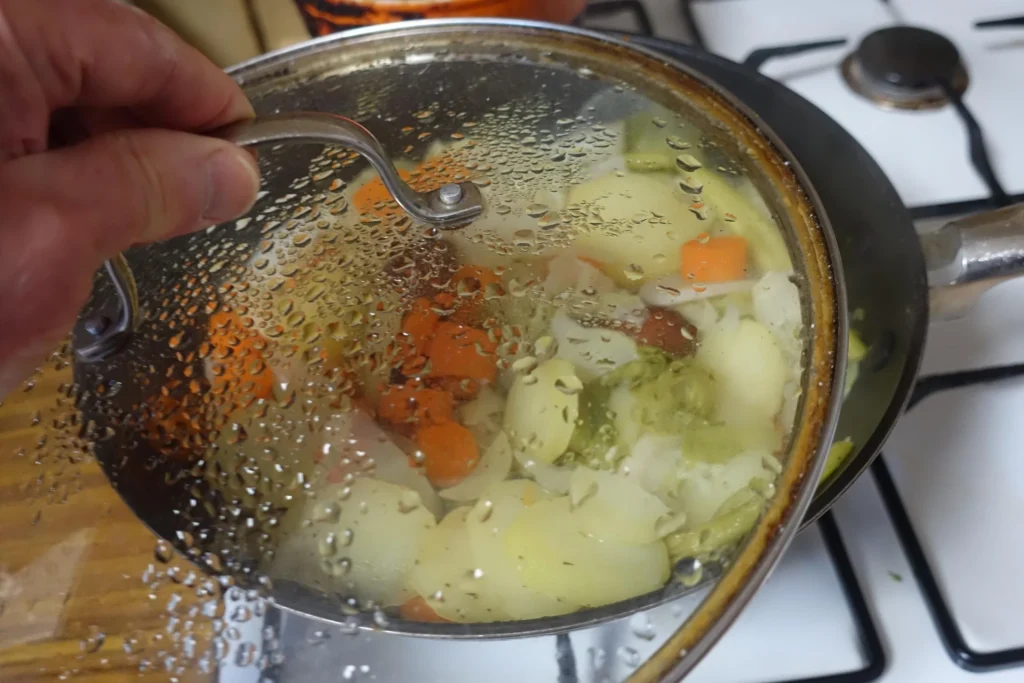
To avoid soft and mushy vegetables, add carrots and potatoes later in the cooking process. If you are simmering on the stove or using a slow cooker, add them during the final hour. This helps them stay firm while still absorbing the flavor of the sauce.
Control Your Searing Temperature
Do not place all the short ribs in the pot at once. When the pan is too full, the temperature drops quickly. This causes the meat to release moisture and steam instead of forming a proper brown crust.
For the best result, cook the ribs in small batches. Give each piece enough space so heat can circulate around it. This helps create a deep golden crust, which adds strong flavor to the final stew.
Taking this extra step makes a clear difference. You get richer taste, better color, and a more professional result.
Boost Flavor with an Umami Touch
For a deeper, meatier taste, add a small amount of Worcestershire sauce or soy sauce to the broth. About one teaspoon is enough to make a noticeable difference without overpowering the dish.
This simple step adds a rich savory note that brings out the natural flavor of the beef. It is a quiet trick many home cooks miss, but it gives your stew a more full and satisfying taste.
Common Mistakes to Avoid
Don’t Rush the Sear
Quick browning leads to weak flavor. If the heat is too low or the process is rushed, the meat releases moisture and starts to boil instead of forming a crust.
Take your time and let each side develop a deep brown color. This step builds the base flavor of the entire stew.
Too Much Liquid
Short ribs naturally release juices while cooking. Adding too much liquid at the start can turn your stew into a thin soup instead of a rich, thick dish.
Use just enough broth to mostly cover the meat. As it cooks, the sauce will develop the right consistency and become more concentrated.
What to Serve with Short Rib Stew
Short rib stew is rich and filling, so the right side dish helps balance the meal and complete the experience.
Classic Comfort Pairings
- Mashed potatoes with butter and cream soak up the sauce and add a soft texture
- Creamy polenta gives a smooth base that pairs well with the deep flavor of the stew
- Buttered egg noodles offer a simple and comforting option that holds the sauce nicely
Lighter Side Options
- Roasted asparagus adds a fresh and slightly crisp contrast
- A wedge salad with a light dressing brings balance to the richness of the meat
- Cauliflower rice works well if you want a lighter and
These sides help round out the dish. You can choose based on how heavy or light you want your meal to feel.
Storage, Freezing, and “Day Two” Magic
Flavor Gets Better Over Time
Short rib stew often tastes even better the next day. As it rests, the flavors blend together more deeply. The sauce becomes richer, and the meat absorbs more of the seasoning. Many people notice a fuller taste after reheating, which makes leftovers something to look forward to.
How to Store in the Fridge
Let the stew cool to room temperature before storing. Place it in an airtight container and keep it in the fridge for up to 3 to 4 days. When reheating, warm it slowly on the stove or in the microwave, stirring gently to keep the texture smooth.
Freezing Instructions
For longer storage, freeze the stew in sealed containers or freezer-safe bags. It can last up to 4 months without losing quality. For best results, thaw it overnight in the fridge before reheating. This helps maintain the texture of both the meat and vegetables.
Short Rib Stew
Ingredients
Method
- Pat the short ribs dry. Heat olive oil in a pot and brown the ribs on all sides. Remove and set aside.
- In the same pot, cook the chopped onion for about 5 minutes until soft. Add garlic and cook for 1 minute.
- Add tomato paste and cook for 1–2 minutes until slightly darkened.
- If using flour, sprinkle it in and stir well to combine.
- Pour in the broth and Worcestershire mixture. Scrape the bottom to release flavor.
- Add carrots, potatoes, thyme, paprika, bay leaf, salt, and pepper. Stir well.
- Return ribs to the pot. Cover and simmer on low heat for 2.5 to 3 hours until tender.
- Remove bay leaf, adjust seasoning, and serve hot.
Notes
Conclusion
This short rib stew brings together rich flavor, tender meat, and simple steps that work every time. The slow cooking process turns tough ribs into soft, fall-apart pieces, while the sauce becomes deep and satisfying. It is a dish that feels both comforting and special, perfect for family dinners or sharing with guests.
What makes this recipe stand out is the balance between technique and ease. With proper browning and slow simmering, you get a result that tastes like it took much more effort than it actually did.
If you try this recipe, leave a comment and a star rating to share your experience. It helps others and makes the recipe even better over time. You can also share it with friends on social media.
What did you add or change in your version? Let others know your twist below.
This stew pairs perfectly with a rich beef gravy recipe that enhances the deep flavor of the meat.
Frequently Asked Questions (FAQ)
Is short rib good for stew?
Yes, short ribs are one of the best choices for stew. They come from the beef chuck area and contain a lot of connective tissue. When cooked slowly, this tissue breaks down and creates tender meat with a rich and deep flavor.
What is the most tender beef for stew?
Cuts with good marbling and connective tissue become the most tender after slow cooking. Beef short ribs and chuck roast are top choices because they turn soft and juicy when simmered over time.
What cut of steak is best for stew?
Chuck steak is often used for stew because it is affordable and becomes tender when cooked slowly. Short ribs are also a great option if you want a richer taste and a more luxurious texture.
What is short rib cooked?
Short ribs are best cooked using slow methods like braising or simmering. This allows the meat to soften and absorb the flavors of the sauce. The result is tender meat that easily pulls apart with a fork.
What is the 3-3-3 rule for steak?
The 3-3-3 rule is a simple method for cooking steak in a pan. You cook the steak for 3 minutes on one side, 3 minutes on the other side, then let it rest for 3 minutes. This works best for thinner cuts and is not used for stews.
What is a poor man’s ribeye called?
Chuck eye steak is often called the poor man’s ribeye. It comes from a nearby section of the cow and has a similar flavor, but it costs less. It can be used in some recipes, though it is not the same as short ribs for slow cooking.