
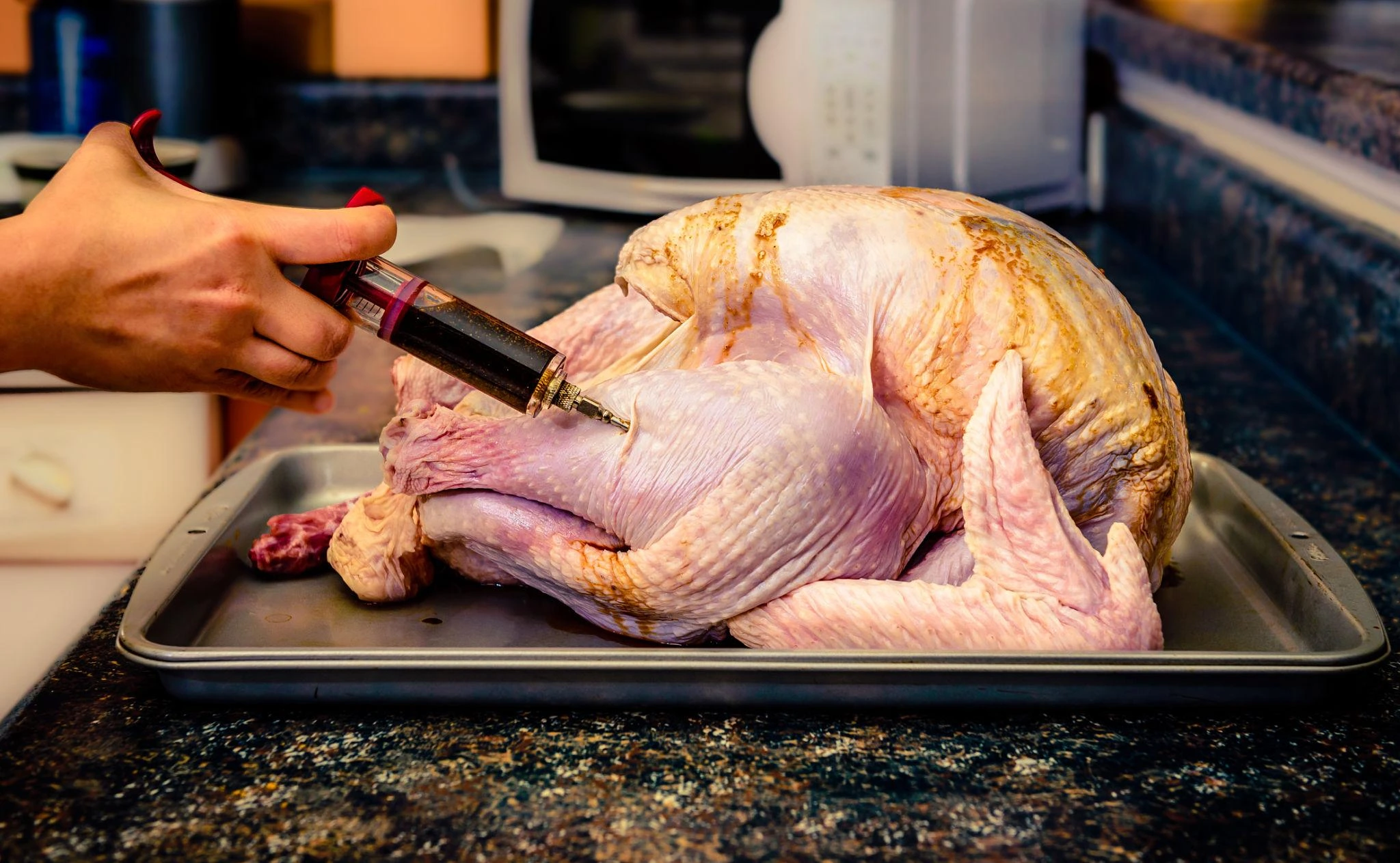
Turkey Injection Recipe for Ultra Juicy Results
I have roasted dozens of turkeys over the years, and I learned one hard truth early on. The breast meat dries out fast. The legs may stay juicy, but the white meat often turns chalky and bland. Traditional roasting heats the outside first. By the time the center cooks through, the lean breast has already lost much of its moisture.
Here is the fix. A turkey injection recipe sends moisture and fat straight into the muscle fibers. Melted butter adds richness. Broth carries flavor deep inside the meat where a surface rub or even a brine cannot fully reach. Brines work from the outside in and only move so far.
This method takes about five minutes to mix and inject. It replaces a full 24 hour brine and delivers an ultra juicy bird with far less effort.
If you enjoy bold poultry flavors, you should also try our Giblet Gravy Recipe
Table of Contents
Comparison: Injection vs Brining vs Dry Rub
| Method | Prep Time | Flavor Penetration | Final Result |
| Injection | 10 minutes | Deep inside meat | Moist and juicy inside |
| Brining | 24 hours | Gradual surface in | Juicy but salty exterior |
| Dry Rub | 5 minutes | Surface only | Flavorful crust outside |
Key Takeaways
Preparation Time: 10 minutes
Main Ingredients: Butter, broth, fresh herbs
Top Tip: Always strain the mixture before injecting to prevent needle clogs
Why You’ll Love This Turkey Injection Recipe
- Quick and simple prep. You mix, warm, strain, and inject in minutes. No overnight soaking required.
- Uses basic pantry items. Butter, broth, herbs, and a few seasonings create deep flavor without hard to find ingredients.
- Delivers an ultra juicy bird. The butter and broth sit inside the meat, not just on the surface.
- Perfect for holidays and family dinners. It keeps the breast tender while the skin still roasts beautifully.
- Impresses guests every time. Each slice looks moist and tastes rich.
What makes this version stand out is the balance. It combines fat for richness, acid for tenderness, and herbs for aroma. The technique also protects the skin so your turkey looks as good as it tastes. When you carve into it and see the juices glisten, you feel proud serving it to the table.
The Anatomy of a Perfect Injection
The Fat Base
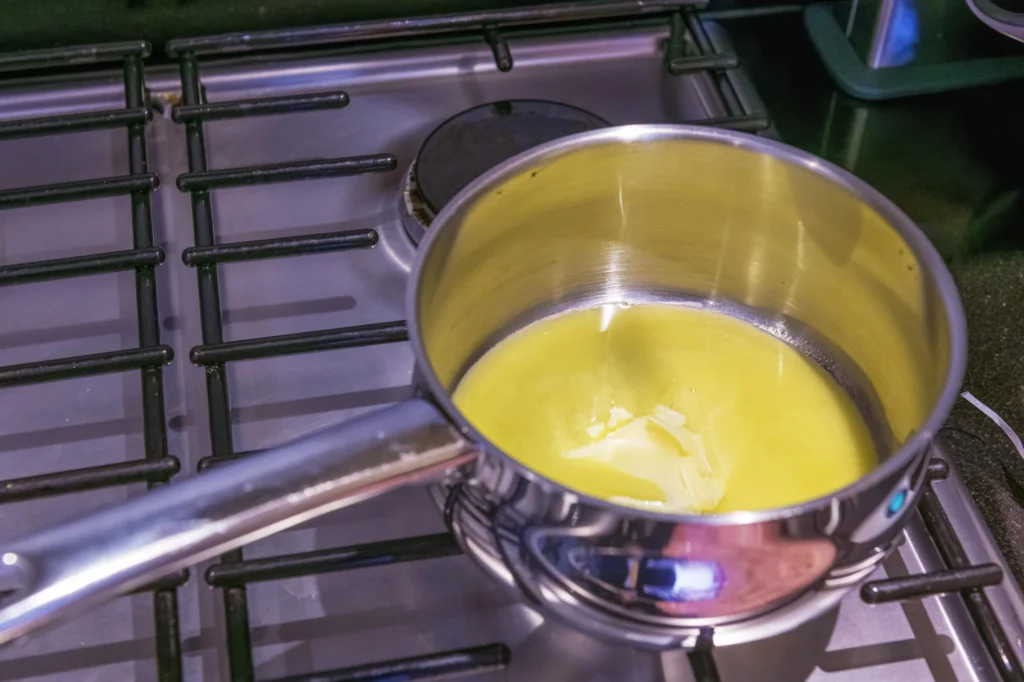
Unsalted butter is the backbone of a great turkey injection recipe. Butter carries flavor and adds richness that plain broth cannot match. When it melts inside the meat, it coats the muscle fibers and helps them stay moist during roasting.
If you plan to deep fry your turkey, you can swap butter for avocado oil. Avocado oil handles higher heat and keeps the flavor clean. Always use unsalted butter so you can control the salt level, especially if your turkey is pre brined.
The Umami Factor
While broth adds moisture, a concentrated base such as Better Than Bouillon Roasted Chicken Base brings intense savory depth. A single spoonful transforms the injection from basic to restaurant-level flavor.
This rich base boosts the natural flavor of turkey. It creates that satisfying savory taste people describe as restaurant quality. The result is meat that tastes seasoned all the way through, not just on the surface.
The Acid Balance
A small splash of apple cider vinegar or lemon juice makes a big difference. Acid helps break down some of the proteins in the meat. This leads to a more tender bite.
The key is balance. You only need a small amount. Too much acid can overpower the herbs and butter. Just enough brightens the flavor and keeps the turkey from tasting flat.
The No Clog Spice Blend
Fresh garlic and chunky herbs can block your injector needle. That is why powdered garlic and onion powder work better for injection recipes. They dissolve smoothly into the liquid.
If you use fresh herbs for aroma, always strain the mixture before filling the injector. A smooth liquid flows easily and saves you from mid injection frustration.
Essential Gear: Choosing Your Meat Injector
A good injector makes this turkey injection recipe easy and clean. The right tool gives you control and prevents leaks or clogged needles.
Plastic vs Stainless Steel
Plastic injectors cost less and work well for occasional holiday cooking. They are lightweight and easy to find in most grocery stores during the holiday season. However, they can crack over time, especially when used with warm butter mixtures.
Stainless steel injectors last longer and feel sturdier in your hand. They handle heat better and are easier to clean thoroughly. If you cook turkey more than once a year, stainless steel is a smart long term choice.
Needle Types and When to Use Them
Most injectors come with more than one needle.
A multi hole needle spreads liquid evenly through the meat. It works best for smooth, strained marinades like this buttery herb blend. The small side holes distribute flavor in several directions at once.
A wide open needle works better for thicker marinades that contain tiny spice bits. It allows slightly heavier liquids to pass through without pressure buildup.
For this recipe, use a smooth and fully strained liquid with a multi hole needle. You will get even distribution and fewer surface leaks.
Equipment Maintenance: How to Clean and Sanitize Your Injector
After using your injector, never let it sit with raw turkey residue inside. Proper cleaning protects you from bacteria and keeps your equipment working smoothly.
First, disassemble the injector completely. Remove the needle, plunger, and any rubber seals if possible.
Wash all parts in hot, soapy water immediately after use. Use a thin cleaning brush or pipe cleaner to scrub inside the needle.
Rinse thoroughly with very hot water.
To sanitize, soak the metal parts in a solution of one tablespoon of unscented bleach per gallon of water for one minute. Rinse again and let everything air dry completely before storing.
Always store the injector fully dry to prevent rust or bacterial growth.
Ingredients Needed
Here is everything you need to make this savory butter turkey injection recipe. Each ingredient plays a clear role in flavor and moisture.
For the Flavor Base
- 1/2 cup chicken broth or turkey broth, low sodium if possible
- 4 tablespoons unsalted butter
- 1 tablespoon Worcestershire sauce such as Lea & Perrins for classic depth
- 1/2 teaspoon lemon juice for a light touch of acidity
For Seasoning
- 1/2 teaspoon kosher salt, adjust if your turkey is pre salted
- 1/8 teaspoon ground black pepper
- 1 1/2 teaspoons minced garlic or one garlic clove lightly crushed
For Fresh Herb Aroma
- 1 to 2 sprigs fresh thyme
- 1 to 2 sprigs fresh rosemary
- 1 to 2 fresh sage leaves
These simple ingredients work together to create a rich, savory butter turkey injector marinade. The broth adds moisture. The butter brings richness. The herbs add warmth and holiday aroma. When combined and strained, this mixture turns an ordinary roast into an ultra juicy centerpiece.
Pro Ingredient Upgrade
Better Than Bouillon Roasted Chicken Base
Lea & Perrins Worcestershire Sauce
Diamond Crystal Kosher Salt
Quick Reference: How Much Injection Per Pound?
Turkey Injection Amount Guide
| Turkey Weight | Injection Amount |
| 8 lb | 8 oz (1 cup) |
| 10 lb | 10 oz |
| 12 lb | 12 oz (1½ cups) |
| 14 lb | 14 oz |
| 16 lb | 16 oz (2 cups) |
| 18 lb | 18 oz |
| 20 lb | 20 oz (2½ cups) |
Quick Kitchen Tips
- Divide the liquid evenly between breast, thighs, and legs.
- Focus slightly more on the breast since it dries faster.
- Inject slowly to prevent leaking.
- If liquid starts pooling, pause and let the meat absorb it
Step by Step: The Pro Chef Injection Technique
Follow these steps carefully for the best texture and flavor. Read through them once before you begin.
1. Warm and Combine the Ingredients
Place the chicken broth, unsalted butter, Worcestershire sauce, lemon juice, salt, pepper, garlic, thyme, rosemary, and sage in a small saucepan.
Set the pan over medium heat. Stir gently as the butter melts. Bring the mixture to a light simmer and let it cook for 5 to 10 minutes. This short simmer allows the herbs and garlic to release their flavor into the liquid.
You should smell a rich, savory aroma. The liquid should look fully blended, not separated.
2. Strain for a Smooth Liquid
Remove the saucepan from the heat. Let the mixture cool until it is warm but not hot. You never want to inject very hot liquid into raw poultry.
Pour the mixture through a fine mesh strainer into a bowl or measuring cup. Press lightly on the herbs to extract flavor, then discard the solids.
This step is critical. A smooth liquid prevents clogged needles and keeps the injection process stress free.
3. Prepare the Turkey and Injector
Make sure the turkey is fully thawed and patted dry. If it is very cold from the fridge, let it sit at room temperature for about 20 to 30 minutes.
Cold butter mixture into an ice cold bird can cause the fat to firm up too fast. A slightly tempered turkey allows the liquid to spread more evenly through the muscle.
Draw the strained liquid into your injector. Tap out any large air bubbles so you have steady pressure.
4. Use the One Hole Many Angles Method
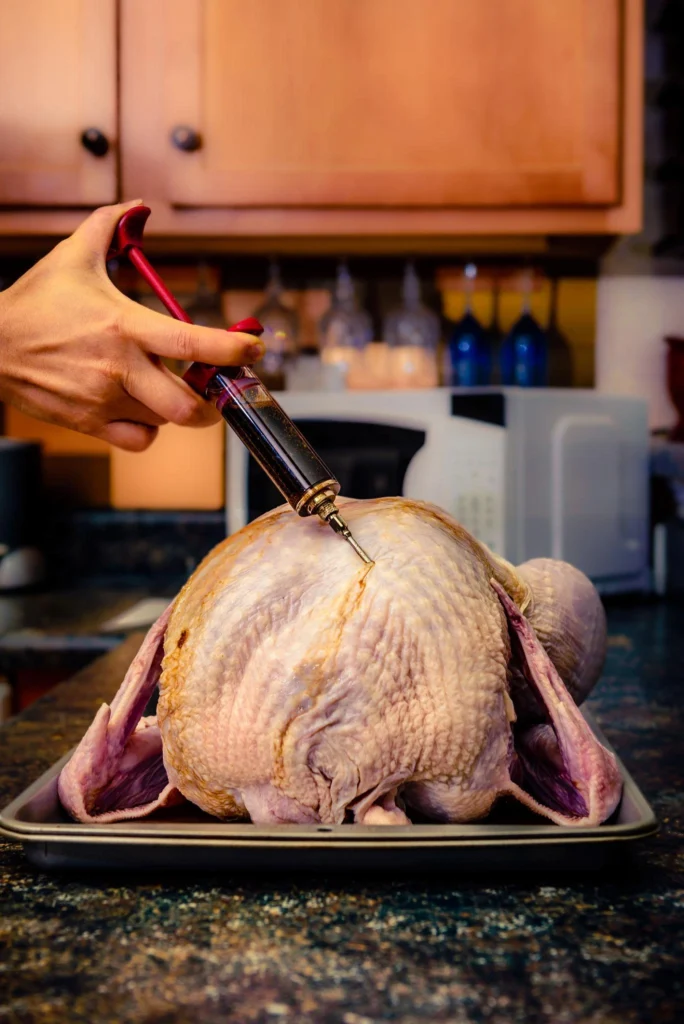
Insert the needle into the thickest part of the breast. Push it in almost to the center of the meat.
Slowly press the plunger while gently pulling the needle back. This distributes liquid along the path of the needle.
Without removing the needle from the skin, angle it in a different direction and inject again. Repeat this from the same entry point. This method reduces the number of holes in the skin and keeps your turkey looking beautiful for the table.
Plan for 3 to 4 injection points in each breast.
Move to the thighs and legs. Find the thickest section of each muscle and repeat the same technique. Focus on deep areas where dryness often starts.
5. Control Leaks and Mess
Inject slowly and steadily. If you press too fast, liquid may squirt back out.
If you see liquid rising to the surface, pause for a second and let the meat absorb it. You can also press a clean finger gently over the injection site as you remove the needle to limit drips.
Work over a rimmed baking sheet to catch any excess.
6. Rest Before Cooking
Place the injected turkey in the refrigerator for at least 1 hour before roasting or smoking. This rest time allows the liquid to settle and spread through the meat.
If you have more time, you can let it rest up to 24 hours. Cover it loosely and keep it chilled.
After resting, cook the turkey as planned. When you carve into the breast, you should see moist, tender slices with flavor running through every bite.
Cook the turkey until the thickest part of the breast reaches an internal temperature of 165°F. Use a meat thermometer for accuracy. This guarantees both food safety and perfectly cooked meat.
How to Keep the Skin Crispy After Injecting
One common concern with a turkey injection recipe is soggy skin. The good news is you can prevent this easily.
After injecting, pat the turkey skin completely dry with paper towels. Remove any visible moisture from the surface.
Then place the turkey uncovered in the refrigerator for 2 hours before cooking. This air dries the skin and helps it crisp up beautifully in the oven or smoker.
Dry skin equals crispy skin. Moist skin equals rubbery texture. This simple step makes a major difference.
Troubleshooting: What to Do When Things Go Wrong
Even the best turkey injection recipe can hit a small bump. Here is how to fix the most common problems fast.
My Needle Is Clogged
This usually happens when small herb pieces or garlic bits get stuck inside the needle.
First, stop pushing the plunger. Forcing it can cause the liquid to spray out suddenly.
Remove the needle and rinse it with hot water. If needed, use a thin skewer or the cleaning tool that came with your injector to clear the inside.
To prevent this issue next time, always strain the marinade through a fine mesh strainer. The liquid should look smooth and free of visible particles before you fill the injector.
The Liquid Is Leaking Out
Some leaking is normal. The meat can only hold so much liquid at once.
If liquid runs out right away, you may be injecting too quickly. Slow down and use steady pressure.
Try the finger seal trick. As you pull the needle out, press a clean finger gently over the hole for a few seconds. This helps the meat absorb the liquid instead of pushing it back out.
Also use the one hole many angles method. Fewer surface holes mean fewer places for liquid to escape.
Is My Turkey Too Salty
If you are using a pre brined or kosher turkey, it already contains salt.
In that case, reduce or remove the added kosher salt from the injection mixture. You can also use low sodium broth and unsalted butter to keep control of seasoning.
If the turkey tastes slightly salty after cooking, balance it with an unsalted gravy or serve with mild side dishes. The goal is rich flavor, not overpowering saltiness.
Flavor Variations: Choose Your Adventure
Once you master this turkey injection recipe, you can adjust the flavor to match your cooking method or personal taste. Here are four tested options.
The Classic Herb and Garlic
Best for traditional oven roasting.
Keep the butter base and add extra dried thyme and a pinch of onion powder. Use powdered garlic instead of fresh for a smoother injection. This version delivers a cozy, holiday flavor that pairs well with stuffing and gravy.
The Cajun Kick
Best for deep fried turkey.
Add Cajun seasoning, a pinch of smoked paprika, and a dash of hot sauce to the butter and broth base. Skip the fresh herbs and use fine ground spices to avoid clogging.
This version gives the meat a bold, savory heat that stands up well to frying. It creates a juicy bird with a flavorful bite in every slice.
Honey Bourbon Glaze
Best for smoked turkey.
Add one tablespoon honey and one tablespoon bourbon to the warm mixture. Include a pinch of black pepper for balance.
The honey adds light sweetness while the bourbon brings depth. When smoked, the flavors blend with the wood aroma and create a rich, slightly sweet finish.
The Lemon Pepper Brightener
Best for turkey breasts.
Increase the lemon juice slightly and add fine ground lemon pepper seasoning. Keep the butter for richness but reduce the herbs.
This variation works well for smaller gatherings. It produces tender, juicy turkey breast with a fresh, clean flavor that does not feel heavy.
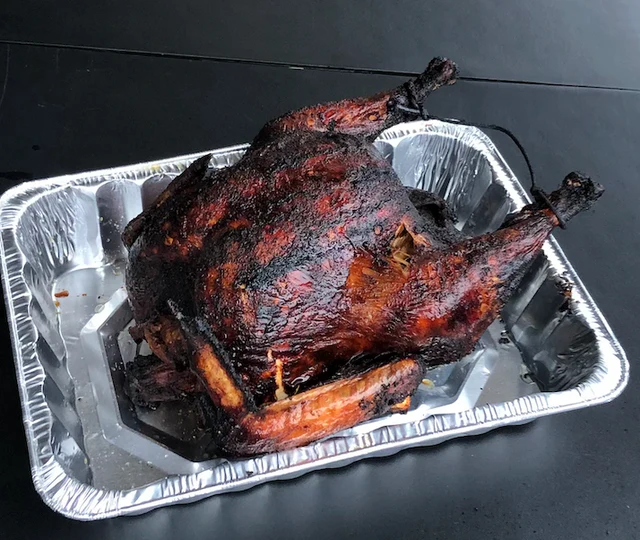

Turkey Injection Recipe
Ingredients
Method
- Place the broth, butter, Worcestershire sauce, lemon juice, salt, pepper, garlic, thyme, rosemary, and sage in a small saucepan. Heat over medium until the butter melts and the mixture lightly simmers for 5 to 10 minutes.
- Remove from heat and cool until warm but not hot. Strain through a fine mesh strainer into a bowl, pressing lightly on the herbs. Discard solids.
- Ensure the turkey is fully thawed and patted dry. Let sit at room temperature for 20 to 30 minutes before injecting.
- Fill the injector with the strained liquid. Insert into the thickest part of the breast and inject slowly while pulling the needle back. Angle within the same hole to distribute evenly. Repeat across breasts, thighs, and legs.
- Refrigerate the injected turkey for at least 1 hour or up to 24 hours before cooking. Pat skin dry and air chill uncovered for 2 hours for crispier skin.
- Cook turkey until the thickest part of the breast reaches 165°F (74°C). Rest 20 to 30 minutes before carving.
Notes
Conclusion
A great turkey injection recipe solves the biggest holiday problem: dry breast meat. By sending butter, broth, and seasoning straight into the muscle, you protect the turkey from the inside out. You skip the long brine and still get tender, juicy slices that look beautiful on the platter.
This method is quick, simple, and reliable. It works for roasting, smoking, or frying. Once you try it, you may never cook a turkey without injecting it first.
If you made this recipe, leave a comment and a star rating below. Your feedback helps others cook with confidence. Share this recipe on Pinterest or Facebook so your friends can serve a juicy bird too.
What flavor variation did you try? Let us know in the comments.
After cooking, let the turkey rest for at least 20 to 30 minutes before carving. This resting time allows the juices, including the injected butter mixture, to redistribute instead of running out onto the cutting board.
Frequently Asked Questions
Is injecting turkey better than brining?
Injecting and brining both add moisture, but they work in different ways. Brining draws salt water into the meat over many hours. Injection delivers butter and broth straight into the center within minutes. If you want fast prep and deep flavor in the breast meat, injecting is often the better choice.
What should I inject into my turkey?
A balanced mix of melted butter, broth, a savory element like Worcestershire sauce, light acid such as lemon juice, and fine seasonings works best. The goal is moisture plus flavor. Keep the liquid smooth so it flows easily through the needle.
How long before cooking should I inject a turkey?
You can inject the turkey one hour before cooking and still get great results. For deeper flavor, inject it up to 24 hours in advance and store it in the refrigerator. This rest time allows the liquid to spread through the meat.
How do restaurants keep turkey moist?
Many restaurants use injection methods, controlled roasting temperatures, and resting time after cooking. Some also cook the turkey breast separately to prevent overcooking. Injection helps protect lean meat from drying out during heat exposure.
Is salted or unsalted butter better for turkey injections?
Unsalted butter is better. It gives you full control over seasoning. This is especially helpful if your turkey is pre brined or labeled kosher, since those birds already contain salt.
What is the secret to a moist turkey?
The secret is adding moisture inside the meat and cooking it to the right internal temperature. A turkey injection recipe adds fat and liquid directly into the muscle fibers. Pair that with proper roasting and a resting period, and you get tender, juicy slices every time.